
Custom Rigid Box Packaging Cost Explained
The details to align before comparing two packaging quotes.
Read the guideOEM / ODM paper packaging
Four core structures, six packaging collections. Start with the opening or what goes inside.
All box styles Vape packaging overview Request a Sample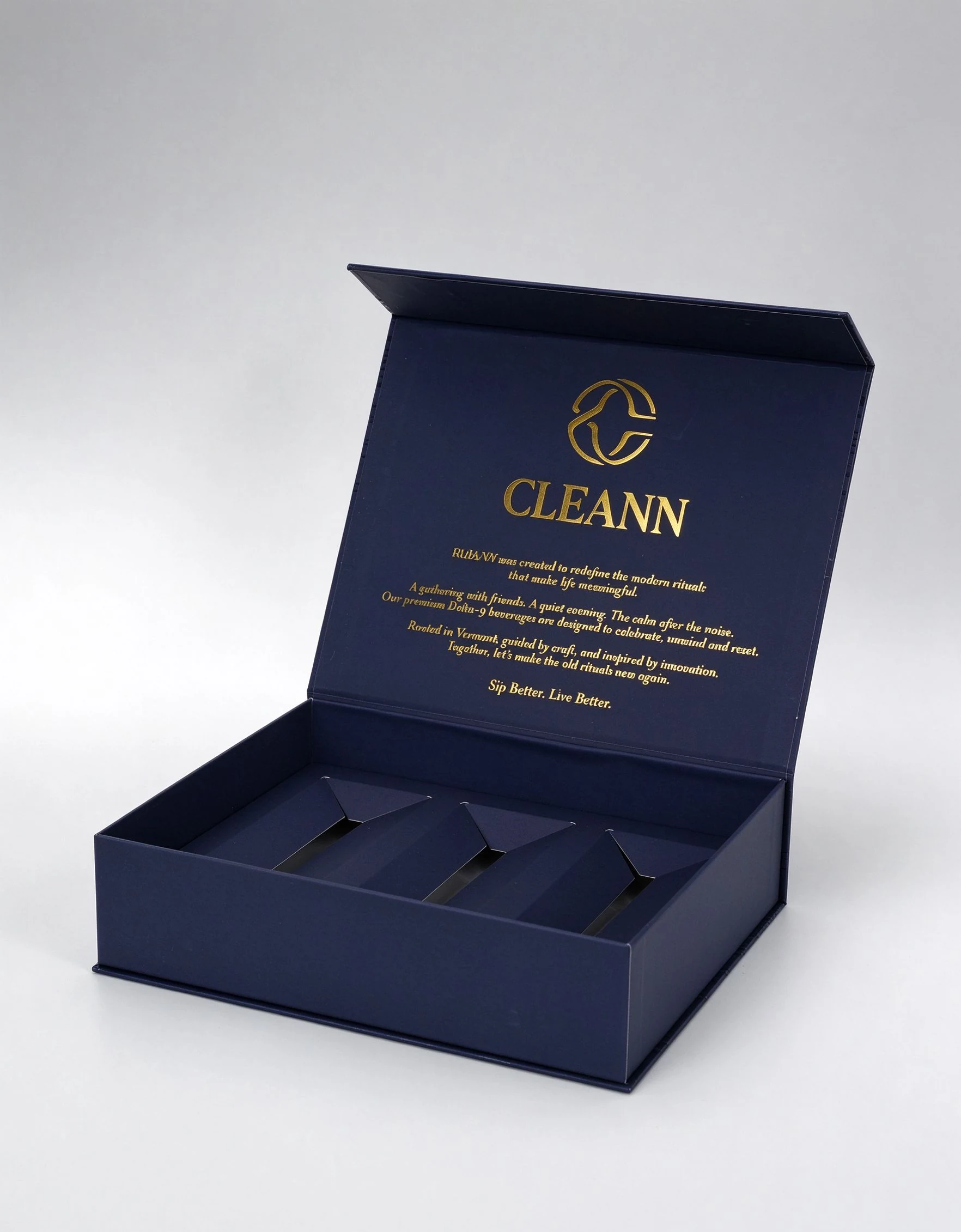
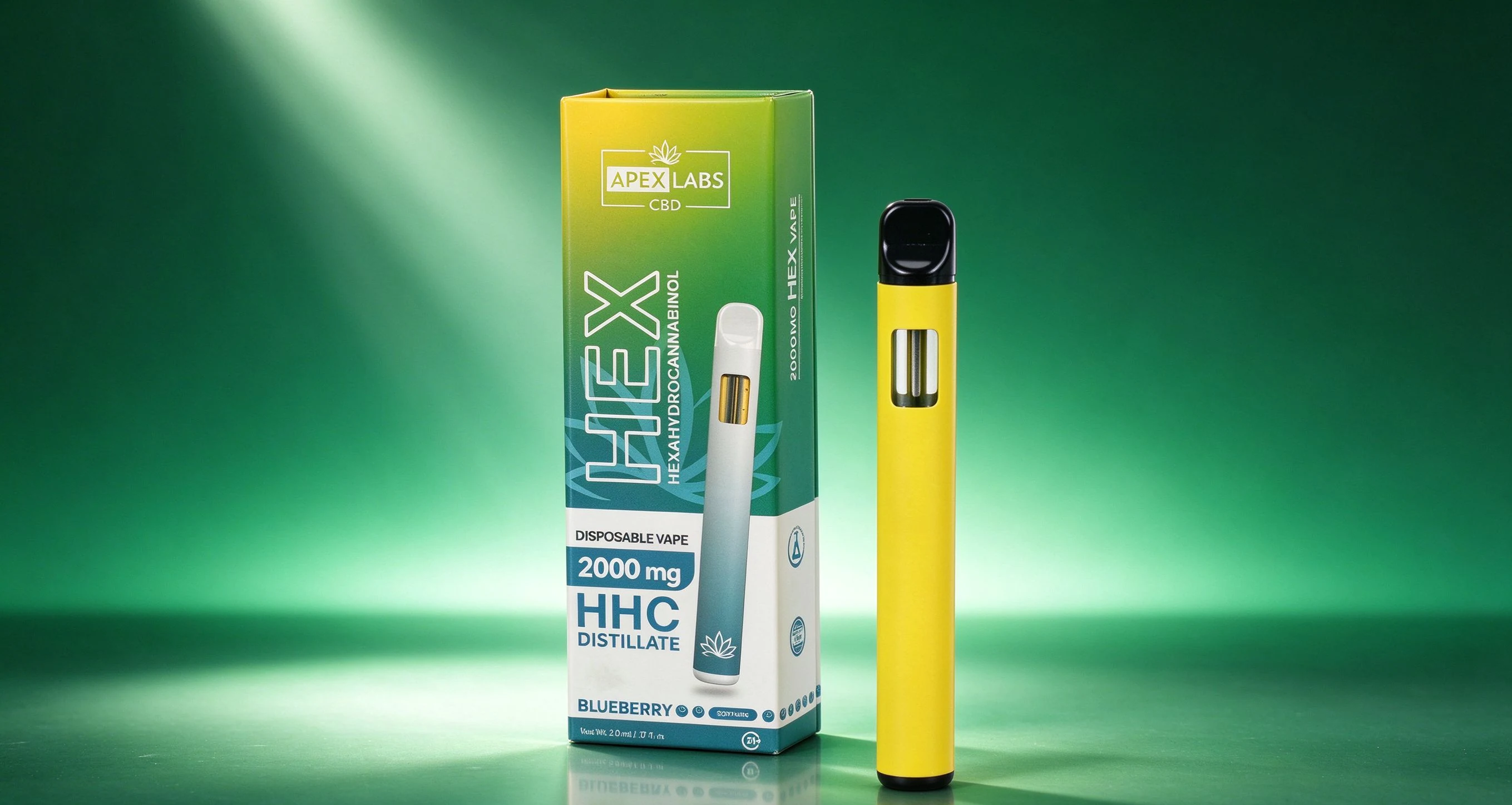
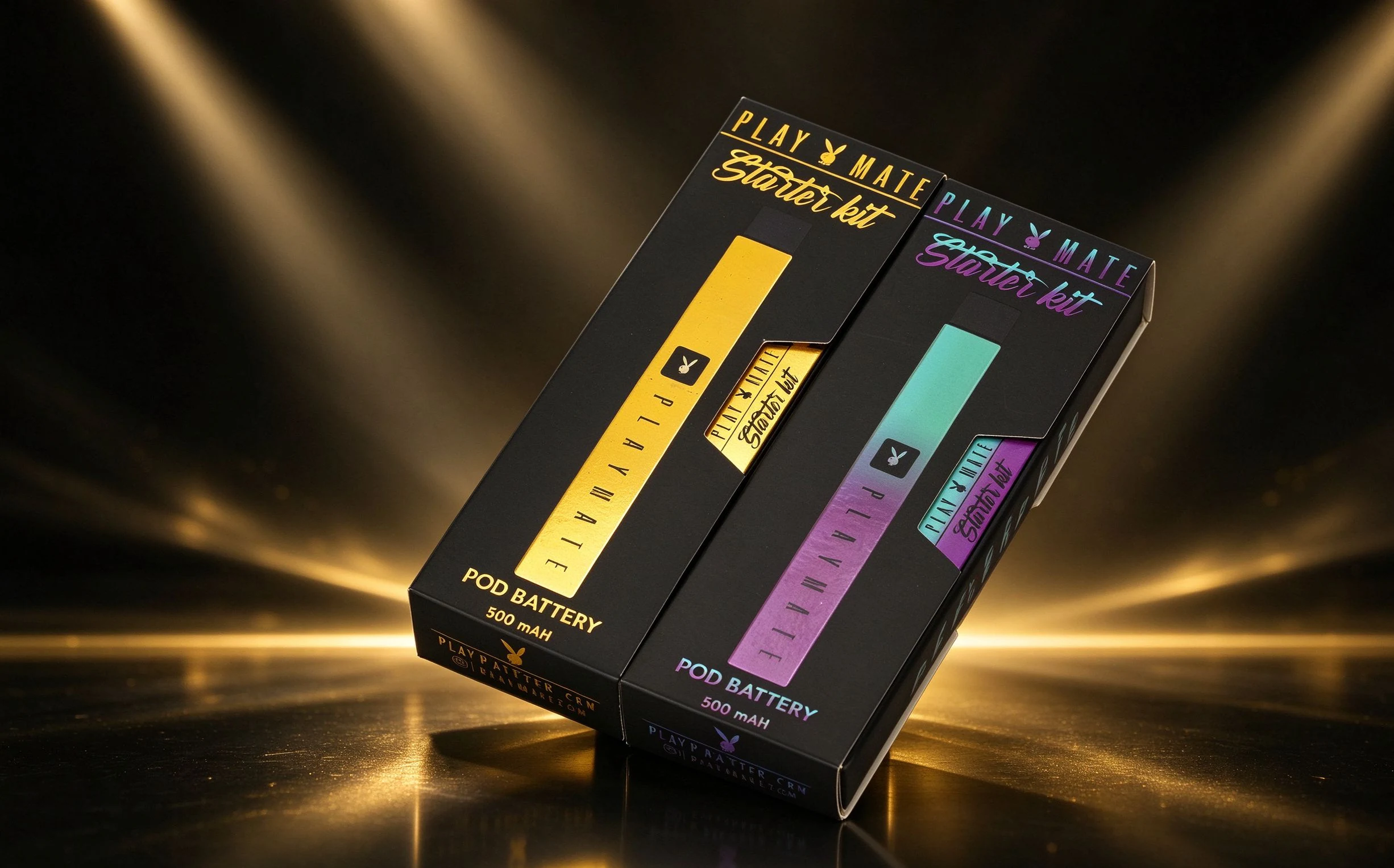
OEM / ODM paper packaging
Define the dimensions, branding, insert and finish for your project.
Explore customization Request a SampleOEM / ODM paper packaging
Explore the structure, application and finish of the supplied packaging collection.
All packaging samples Request a SampleOEM / ODM paper packaging
Review the board, surface, insert and structure together.
Materials & finishes Request a SampleOEM / ODM paper packaging
Review the working areas, prepare a specification and explore the information behind a packaging project.
All buying guides Request a SampleCustom packaging services
Prepare OEM and ODM paper box design and sampling with a clear product brief. Coordinate fitted inserts, artwork and structural sample checks.
Start with each product and accessory, including its dimensions, weight and intended orientation. Then compare how a magnetic, drawer or lid-and-base box would open around that arrangement.
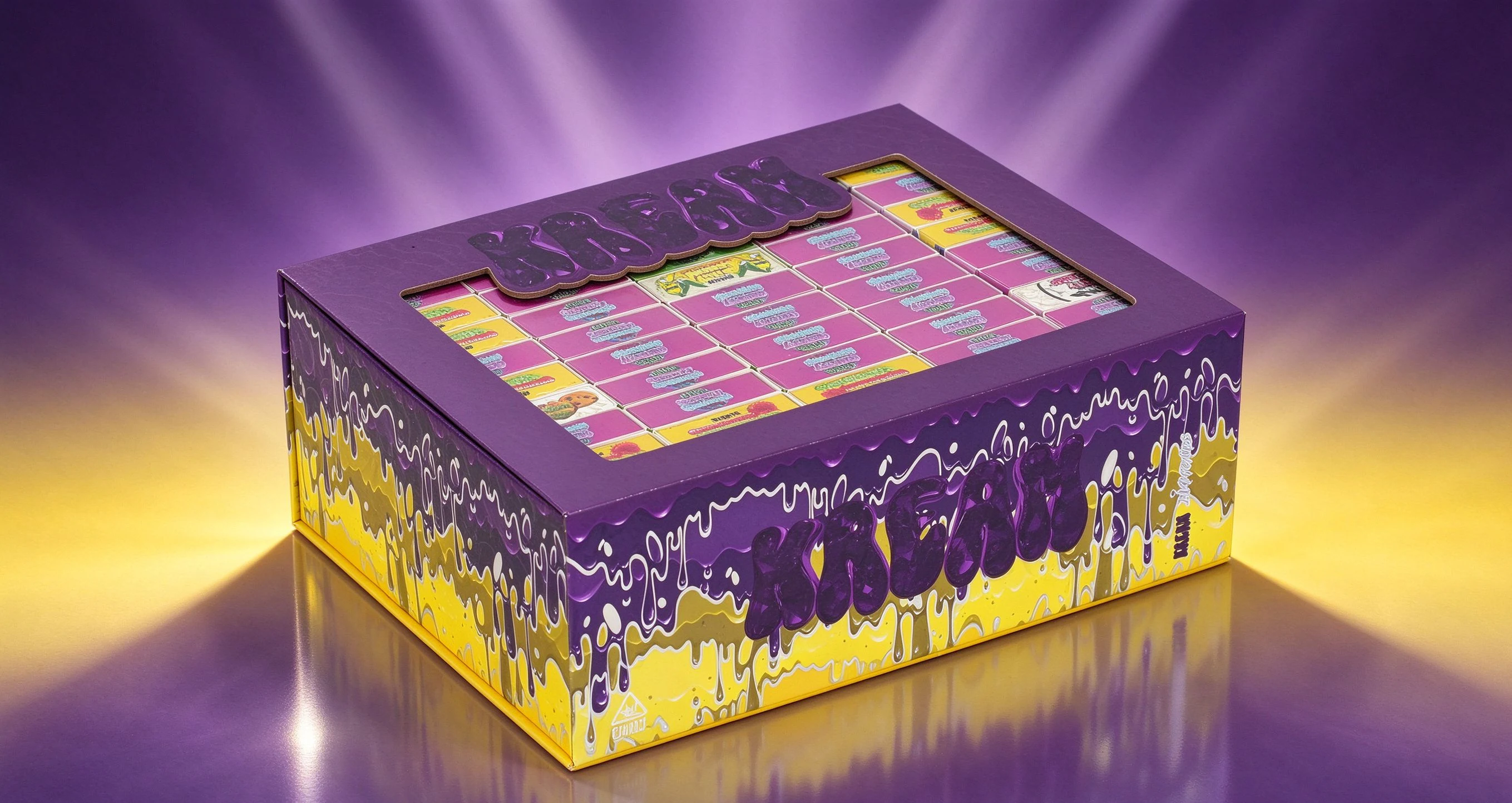
For a retail display, start with the number of units, available counter space and how the display reaches the store. The board and construction need to be reviewed for that use.
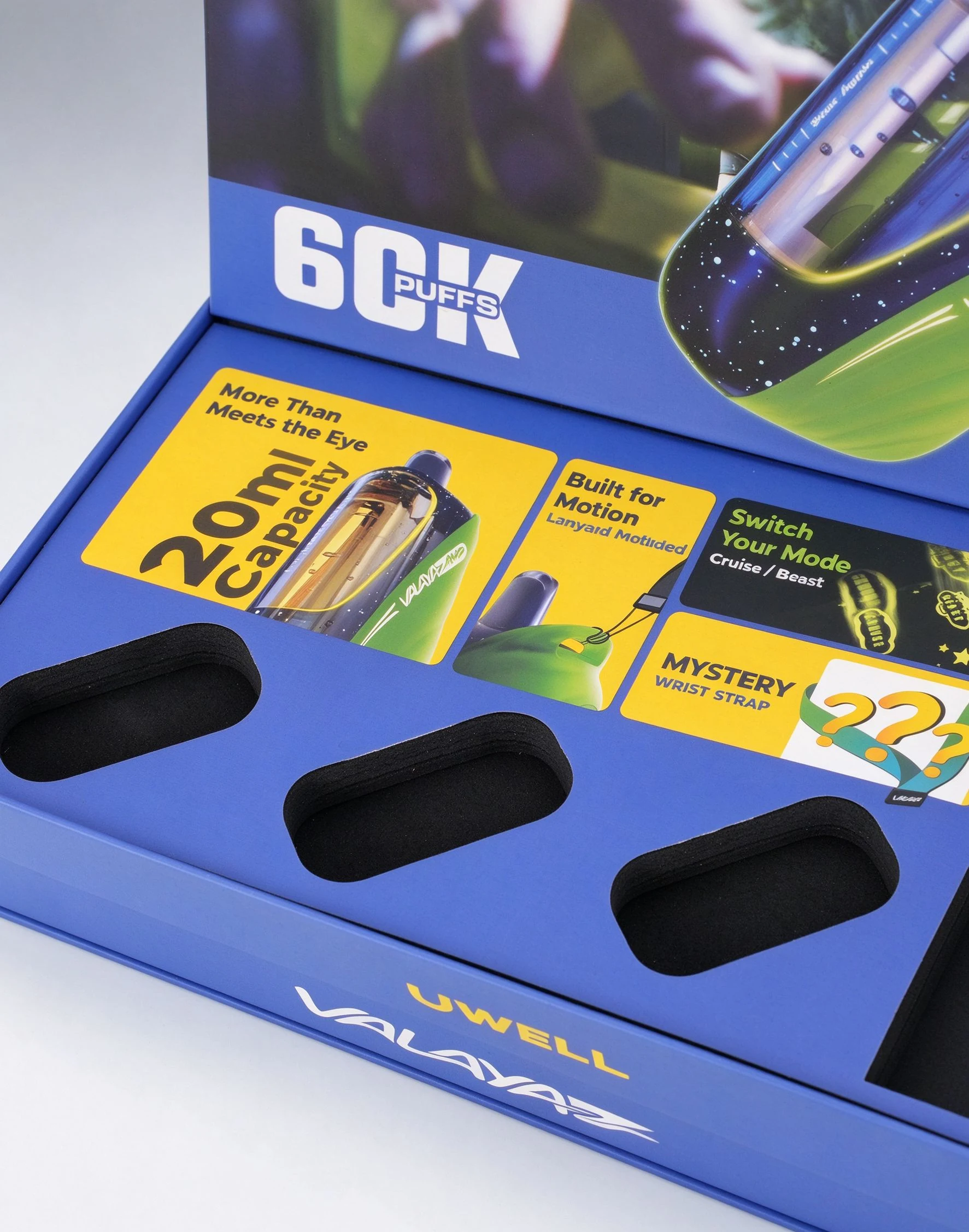
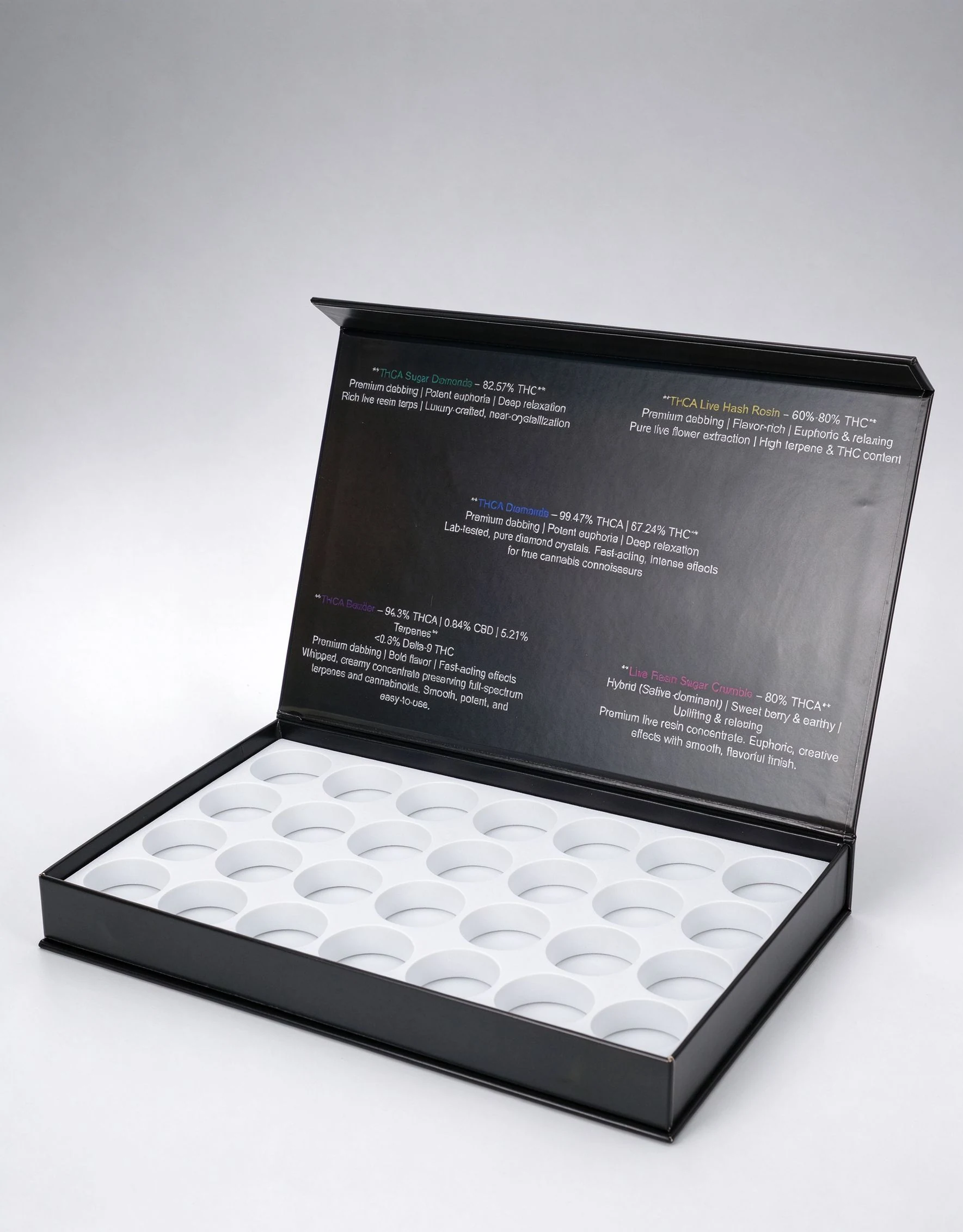
Product-holding inserts are part of the structure, rather than loose marketing cards. Review cavity shape, support, finger access and the relationship between the insert and the outer box together.
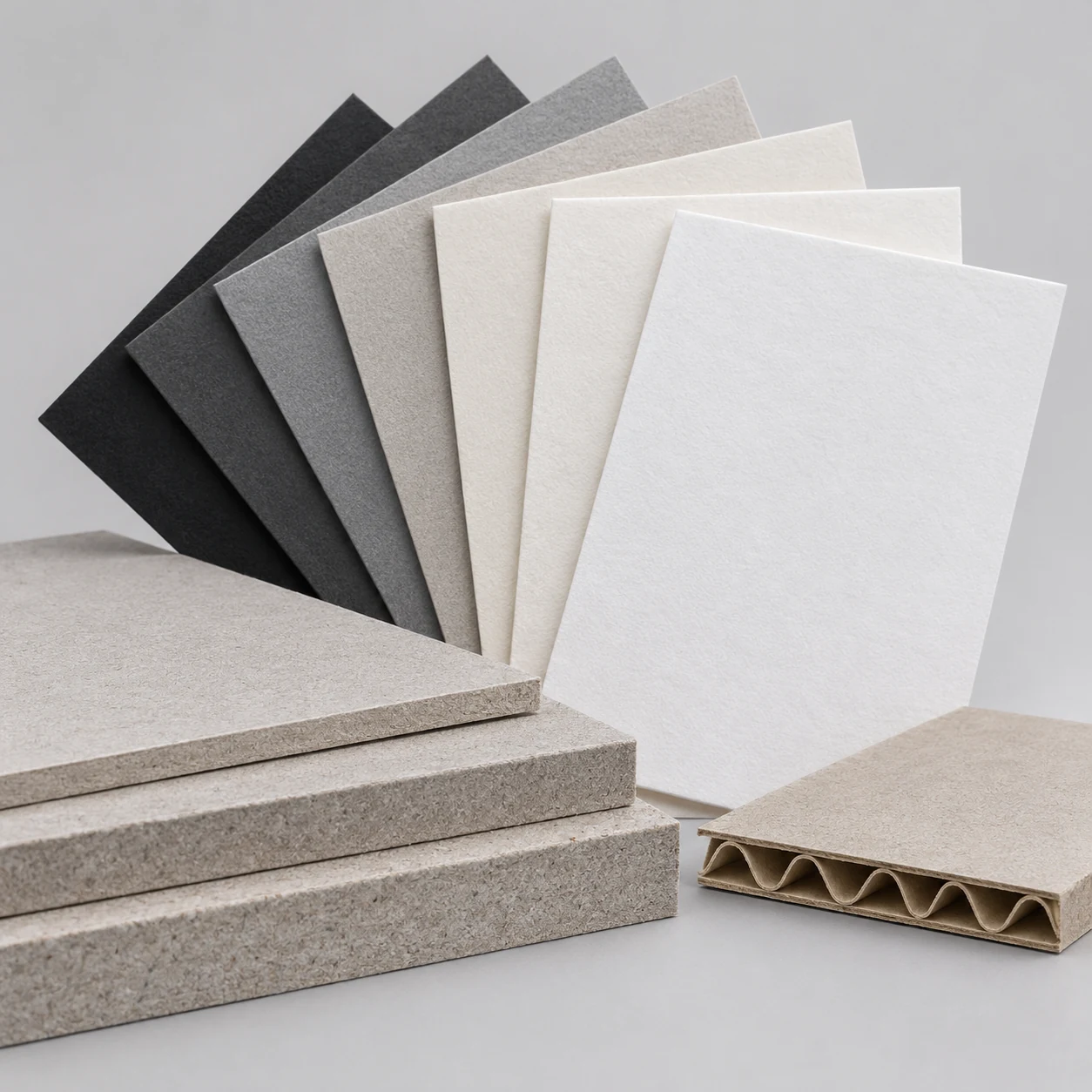
Paper-based and foam options are starting points for discussion. The exact material, construction and availability need to be confirmed for the project; a material name alone does not establish protection.
EVA, sponge foam and flocked surfaces are options to review against product weight, cavity shape, presentation and handling. Confirm the exact insert construction with the assembled sample.
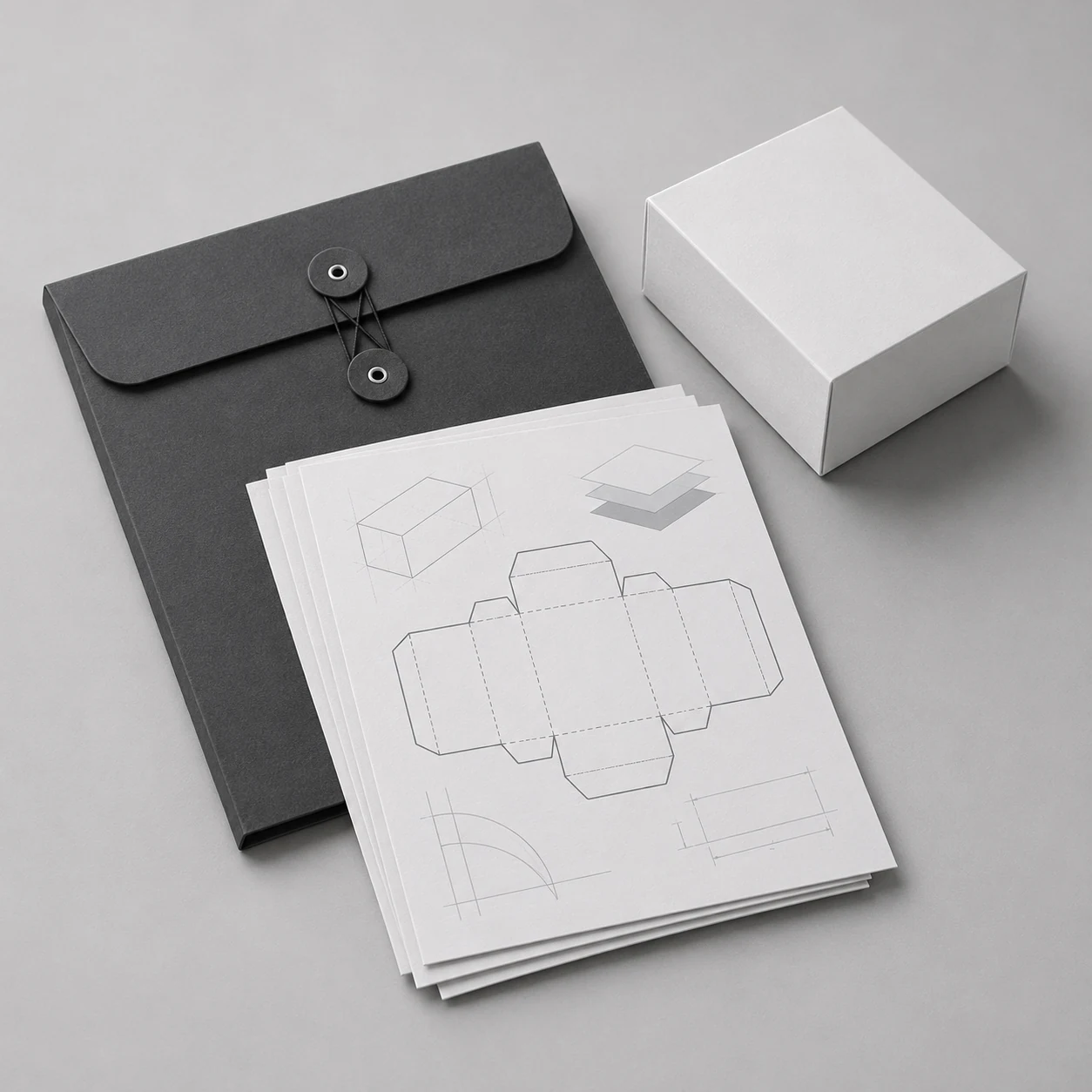
Prepare a product list, brand assets and any existing artwork. Once the structure is defined, confirm the correct dieline revision before placing the final design.
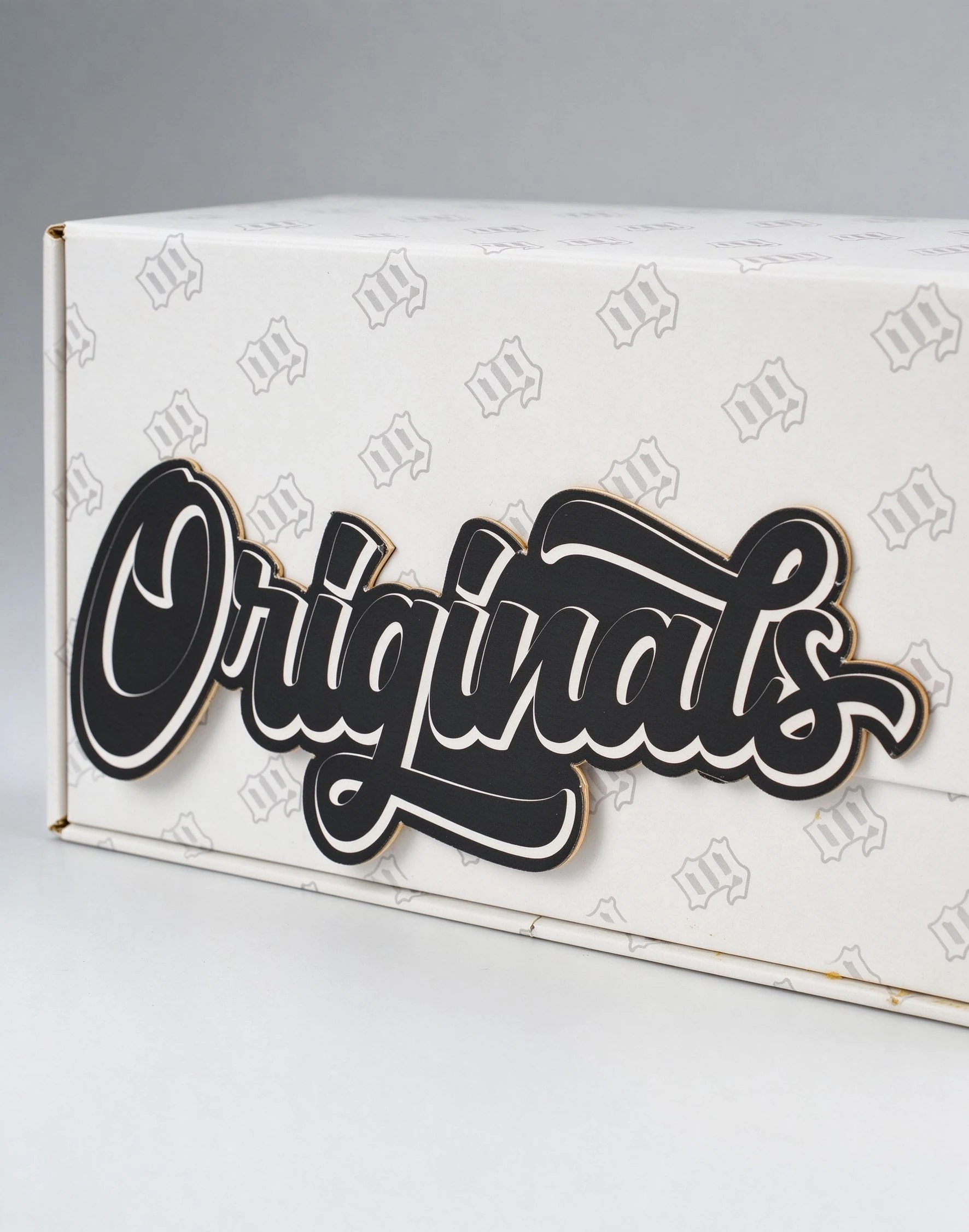
Separate what needs printing from what needs a finishing operation. Mark logos, foil areas, raised details and gloss areas clearly for review. Confirm file format, color references, bleed and minimum detail requirements with the project team rather than relying on a generic template.
A structure sample can help answer questions about size and product fit. A printed or finished sample can address a different set of questions. Agree what the requested sample will represent and which production details it will not demonstrate.
Record feedback against a sample or file revision. If the product, material or insert changes, identify which decisions need another check before approval.
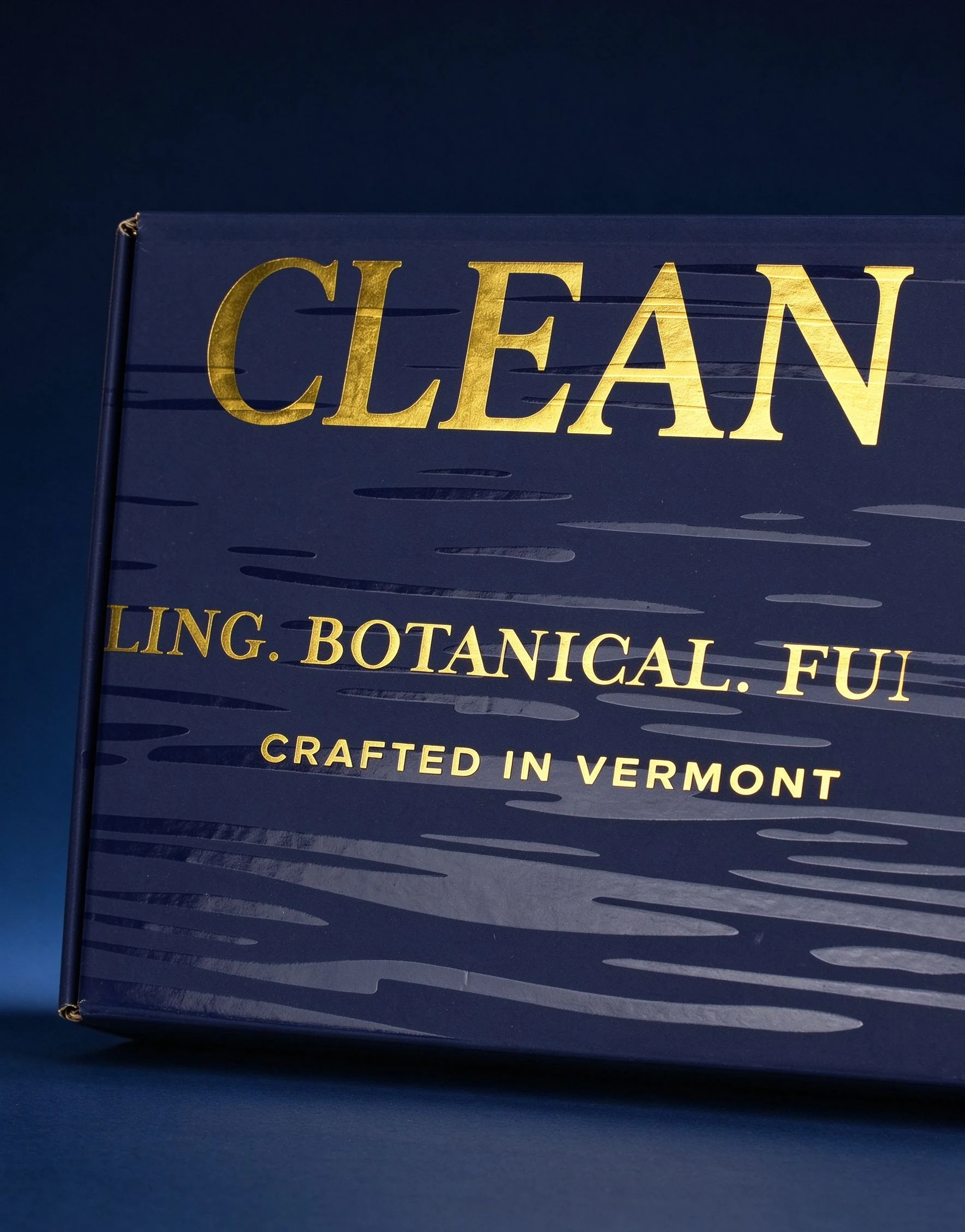
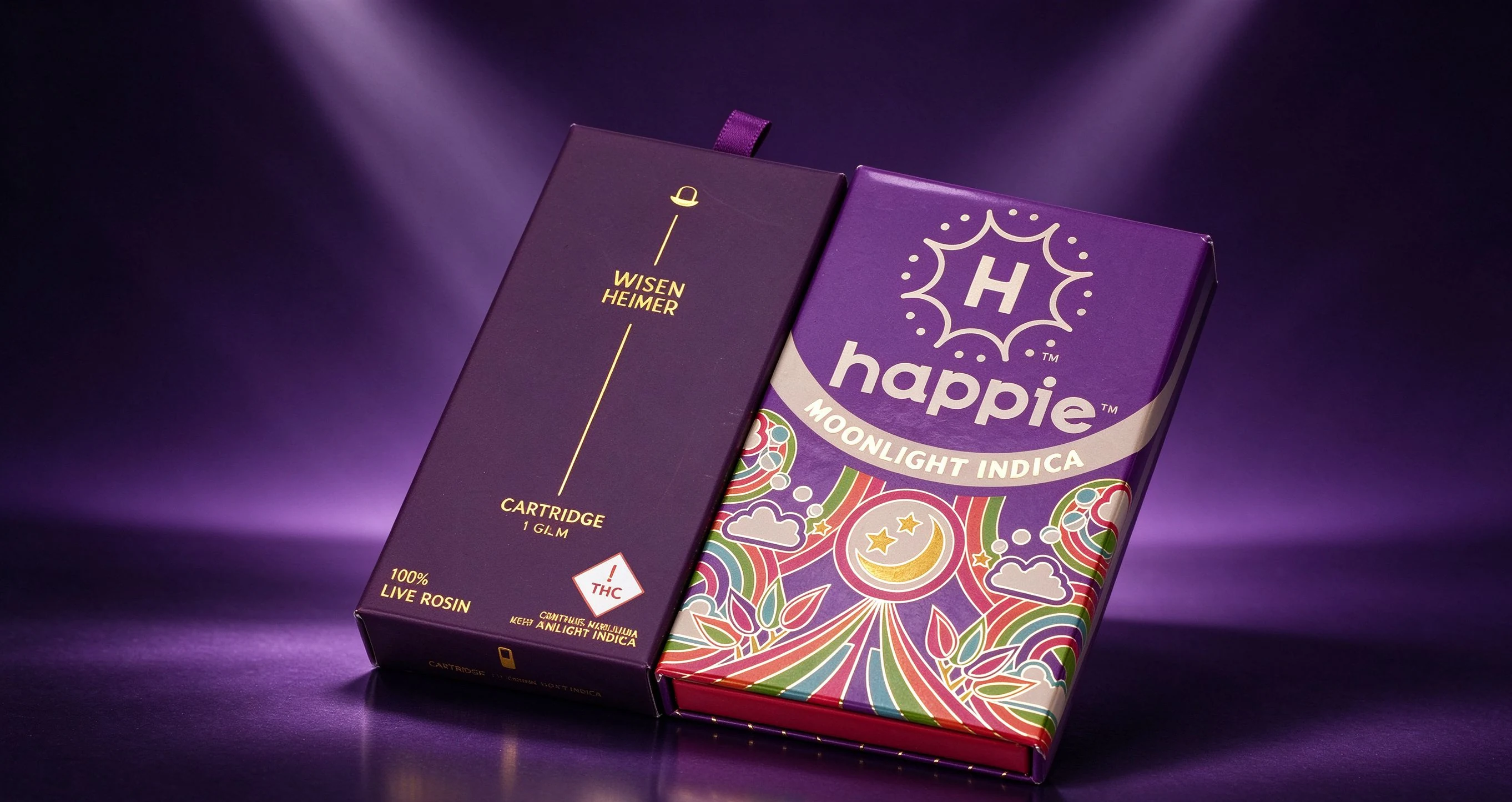
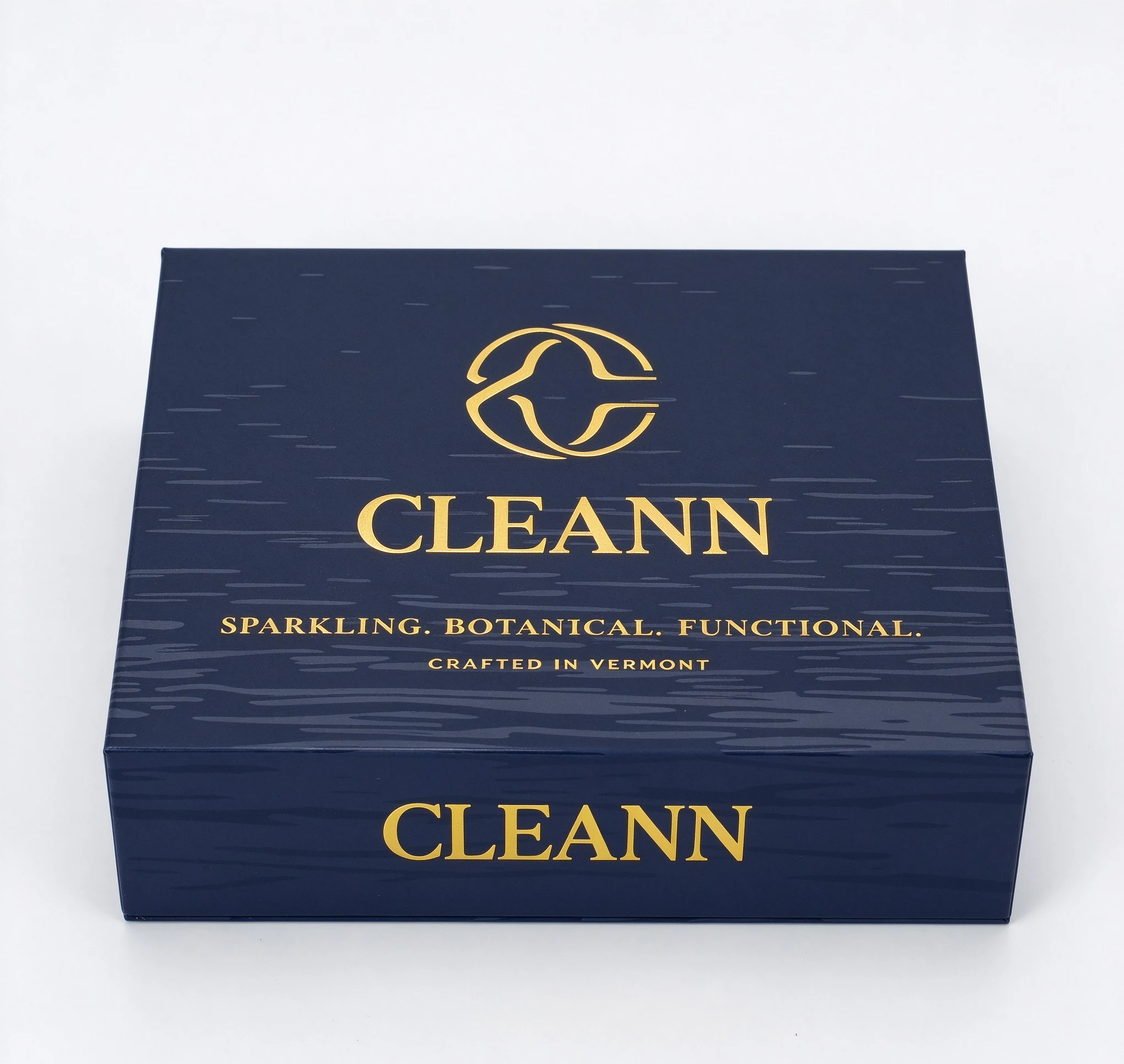
Bring your logo and the areas you want to highlight. Compare gold or silver foil, embossing, debossing, textured paper and spot UV on the intended material.
Mark each operation separately in the artwork and review its position, fine detail and alignment on a physical sample.
Discuss push-button or release mechanisms as part of the complete packaging design. The product, intended users, target market and exact opening mechanism determine the review and testing needed.
A locking feature or photograph does not establish child-resistant compliance. Request the applicable test evidence for the specific structure and specification before making a compliance claim.
Clear up the practical details, or start with the information you already have.
Discuss My RequirementsYes. Start with product details, an estimated quantity and the packaging direction. Confirm the structure and applicable artwork requirements before preparing the final file.
Describe the existing box and the proposed insert. Standalone supply, material options and fit requirements need project-specific confirmation.
That depends on the sample scope. Ask which materials, printing and finishing steps are represented, and what still needs confirmation.
The open questions can be part of the conversation.