
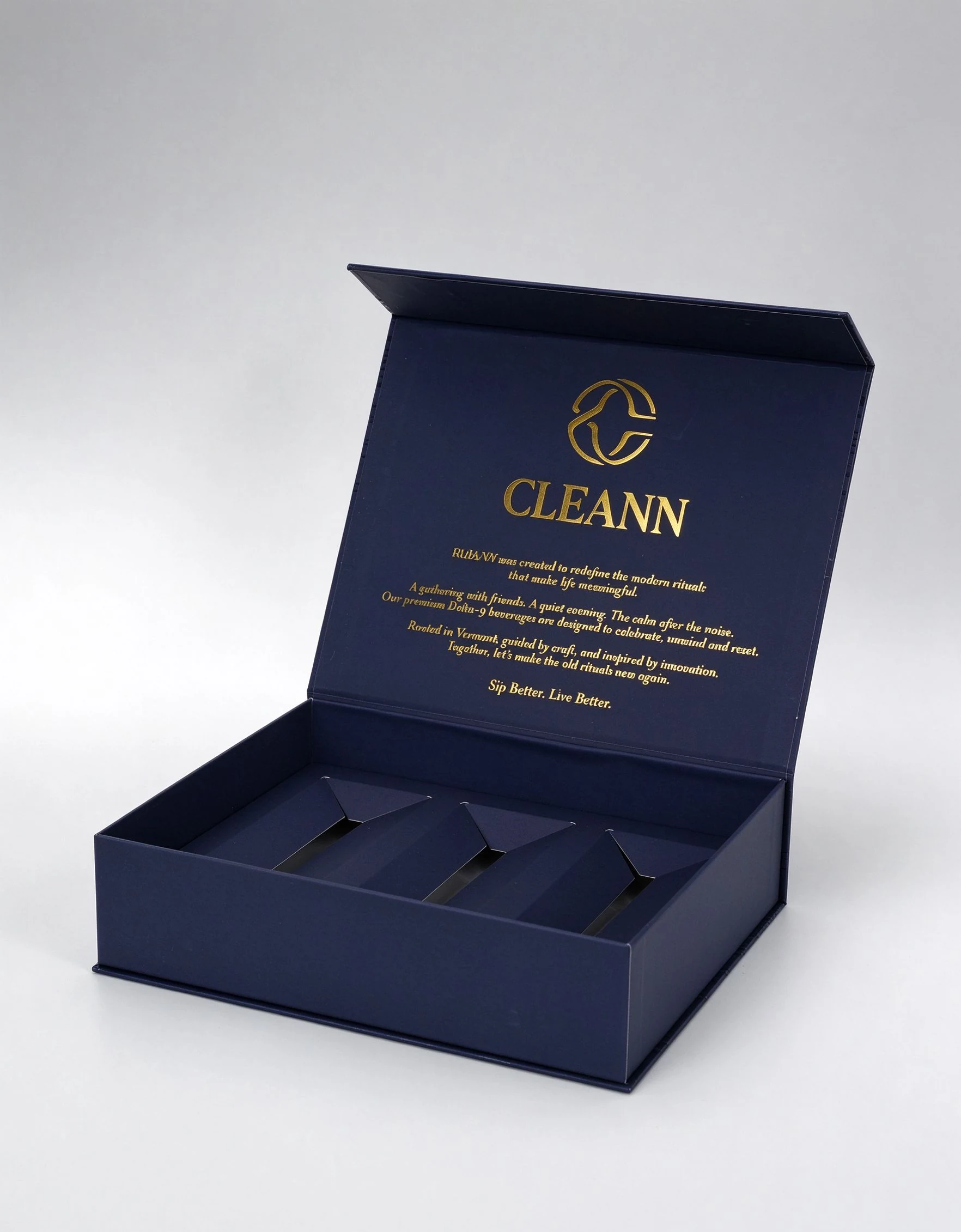

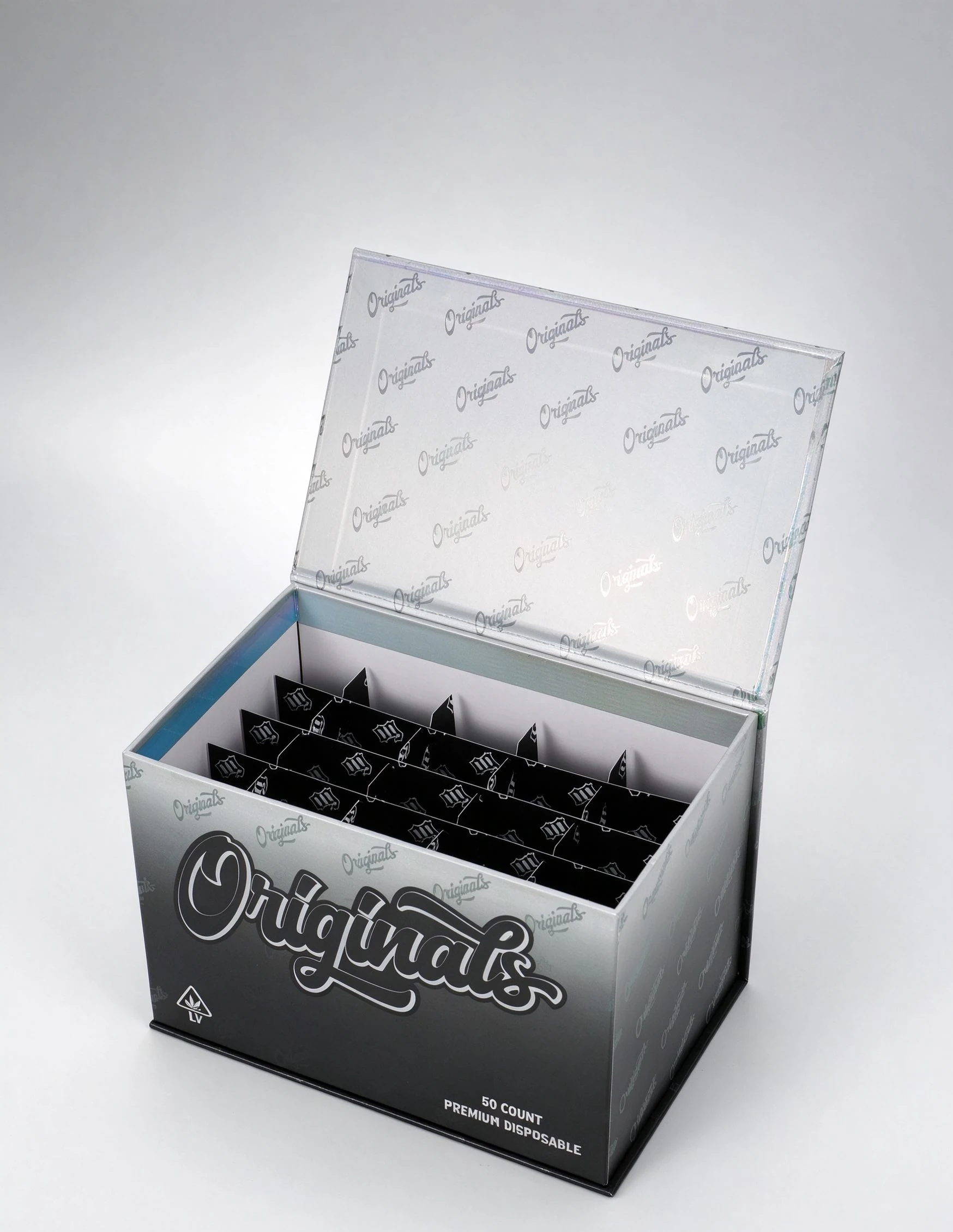
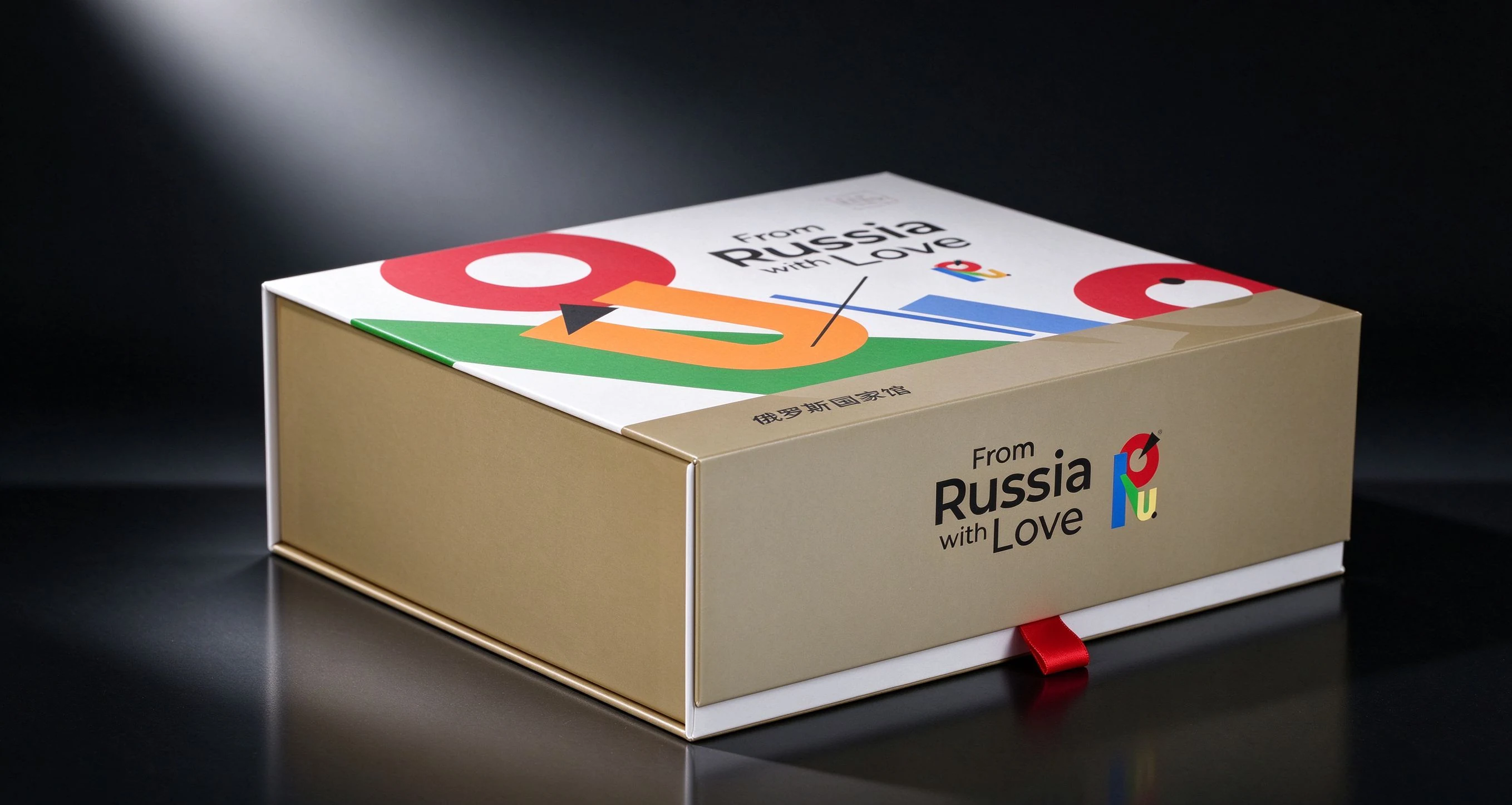


Start with one brief, then compare.
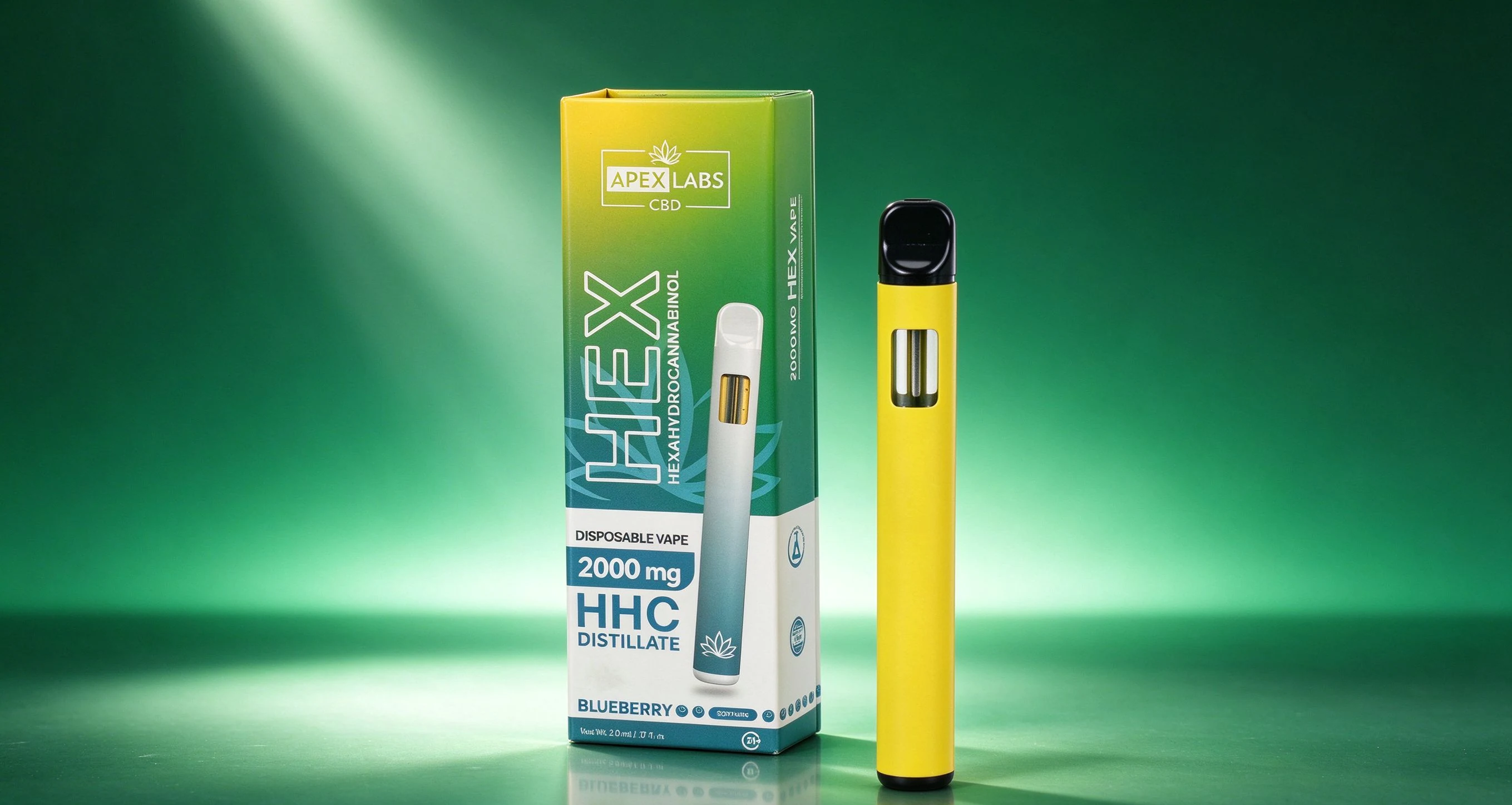
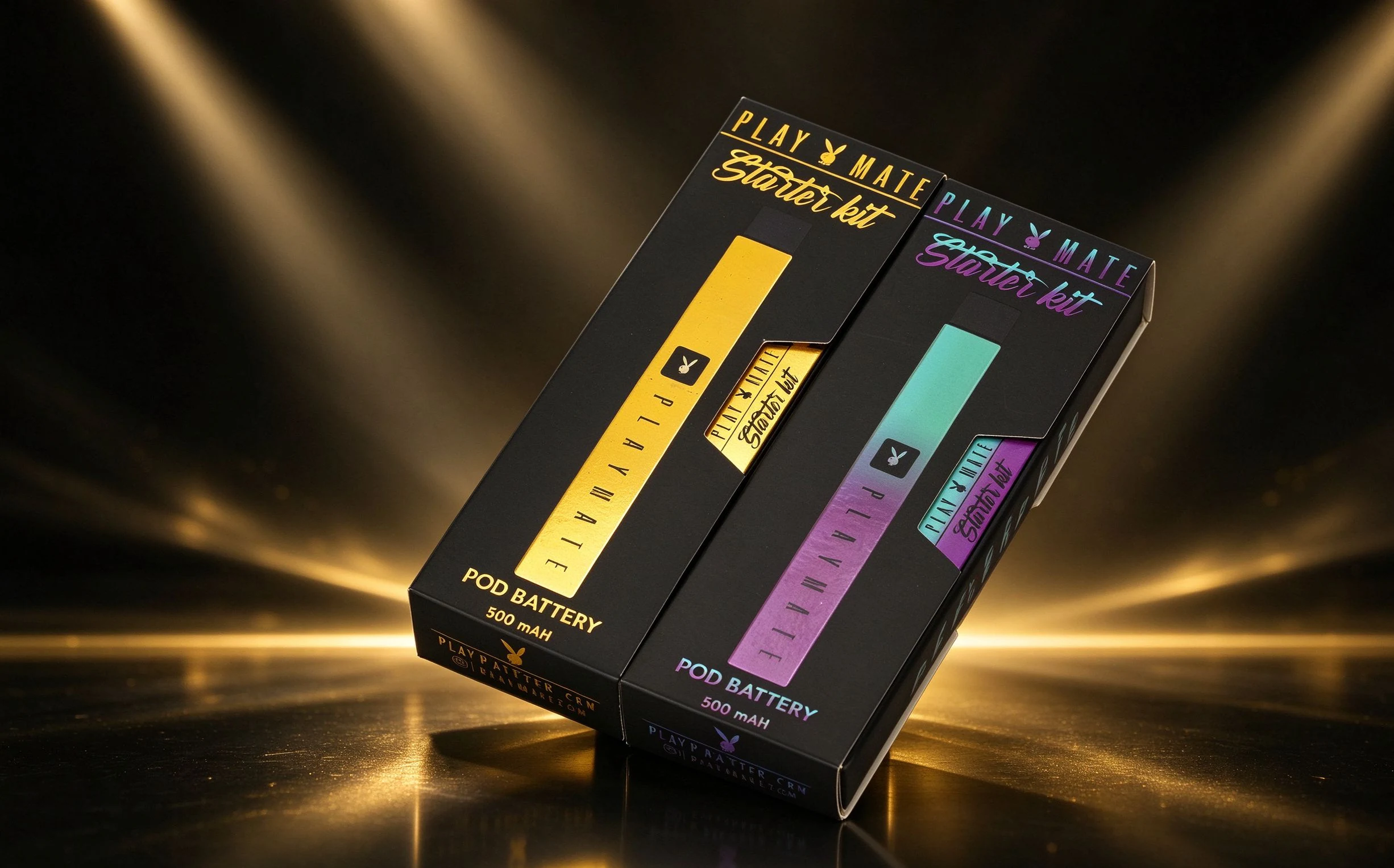
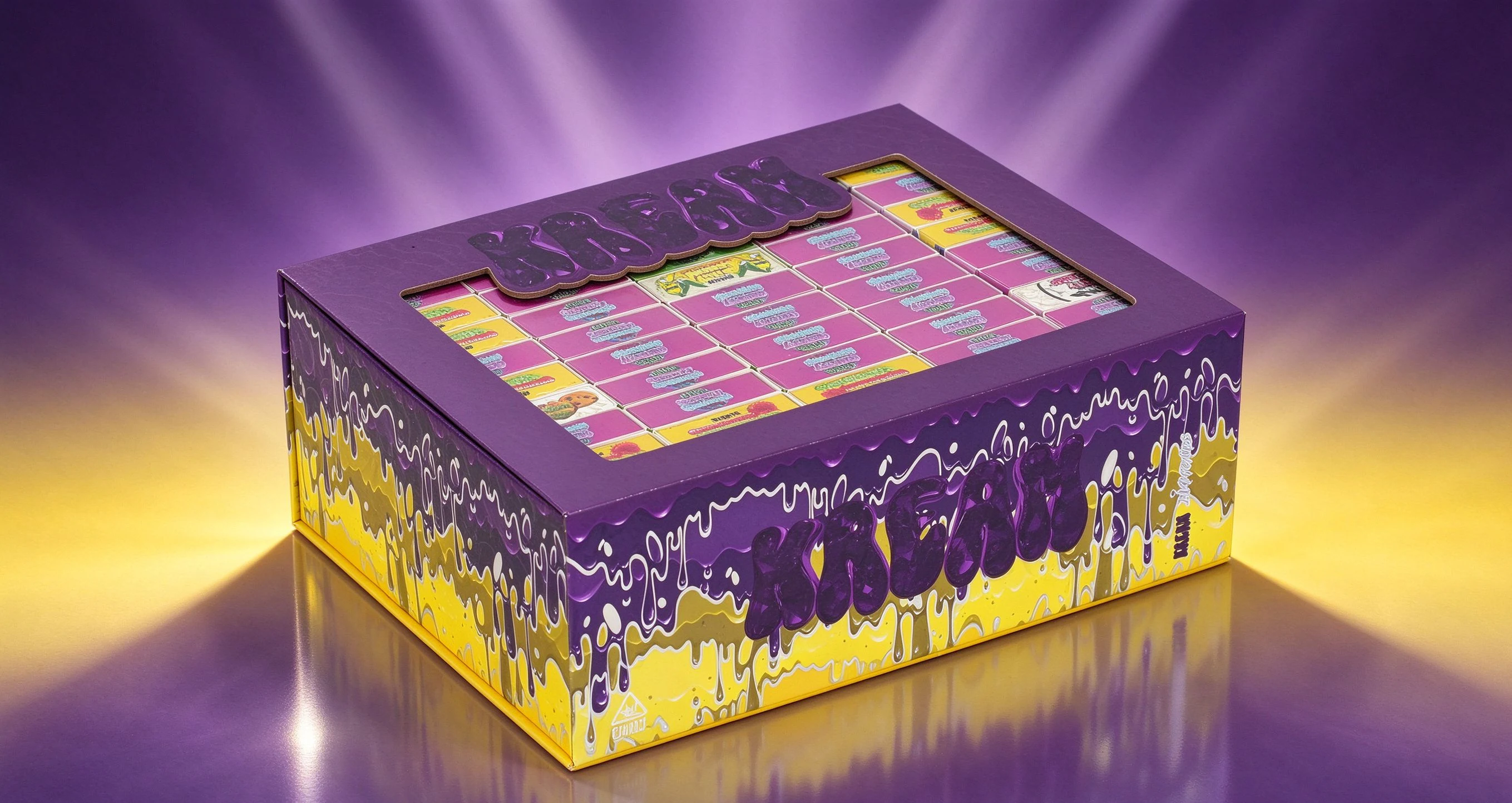
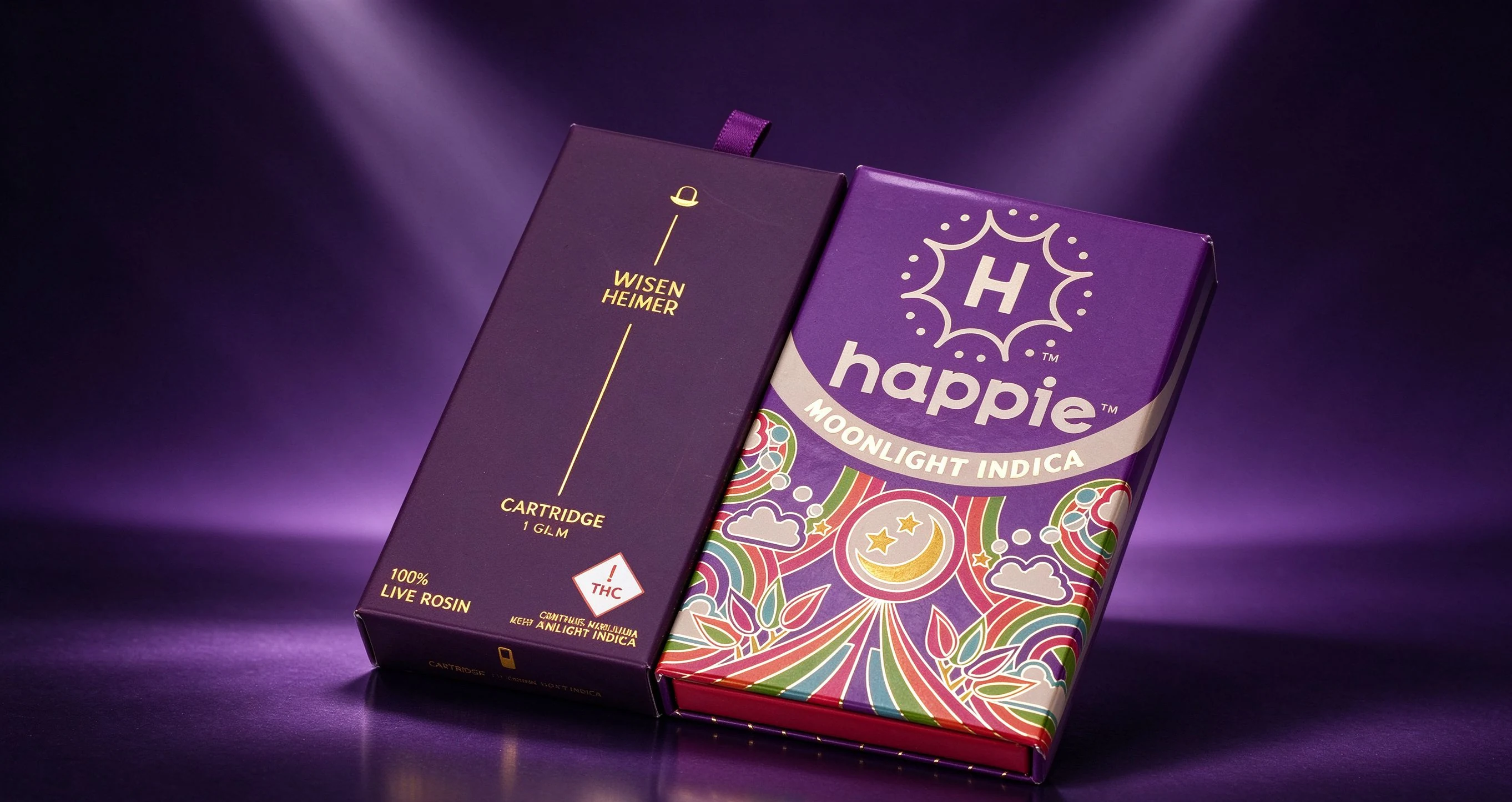
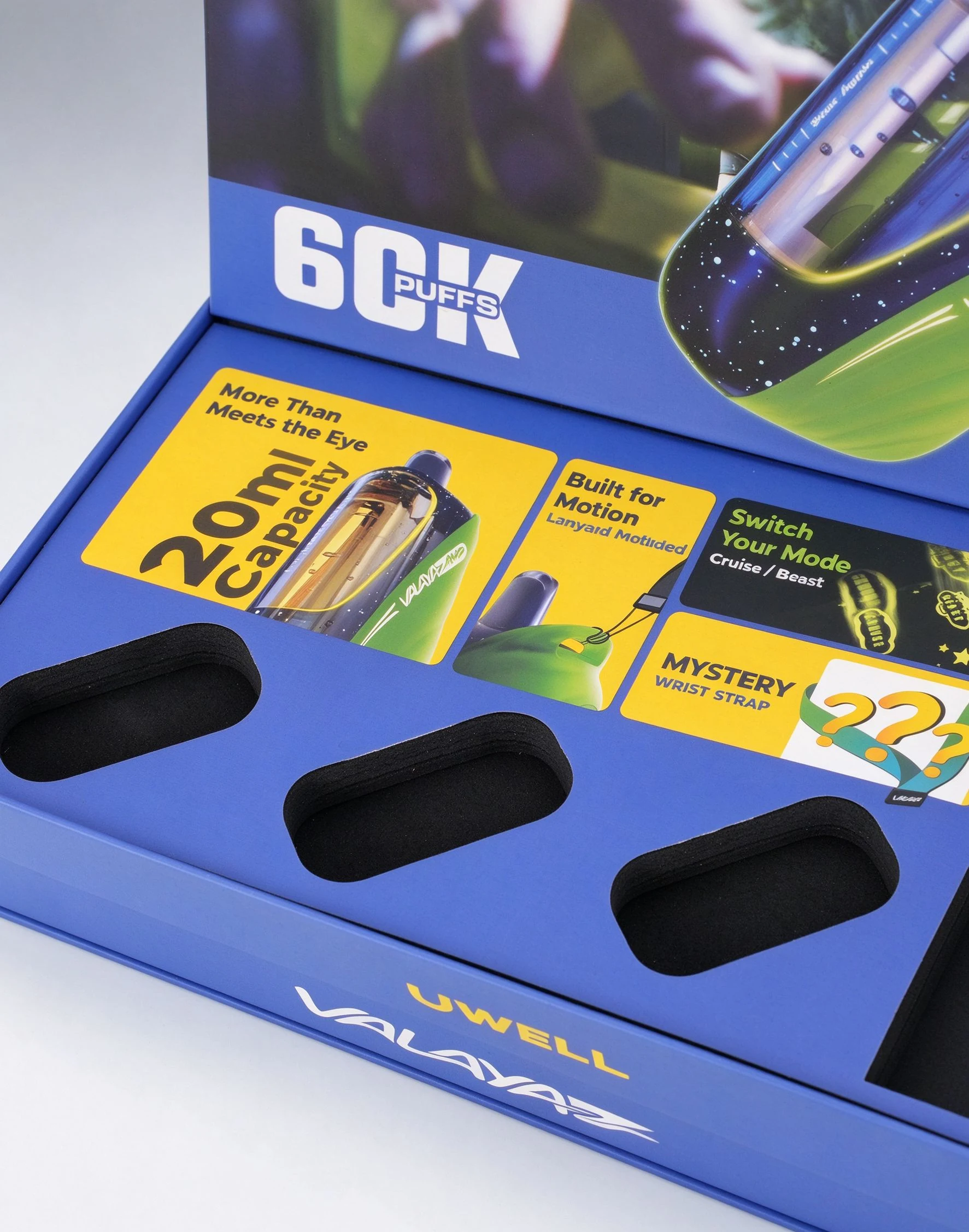
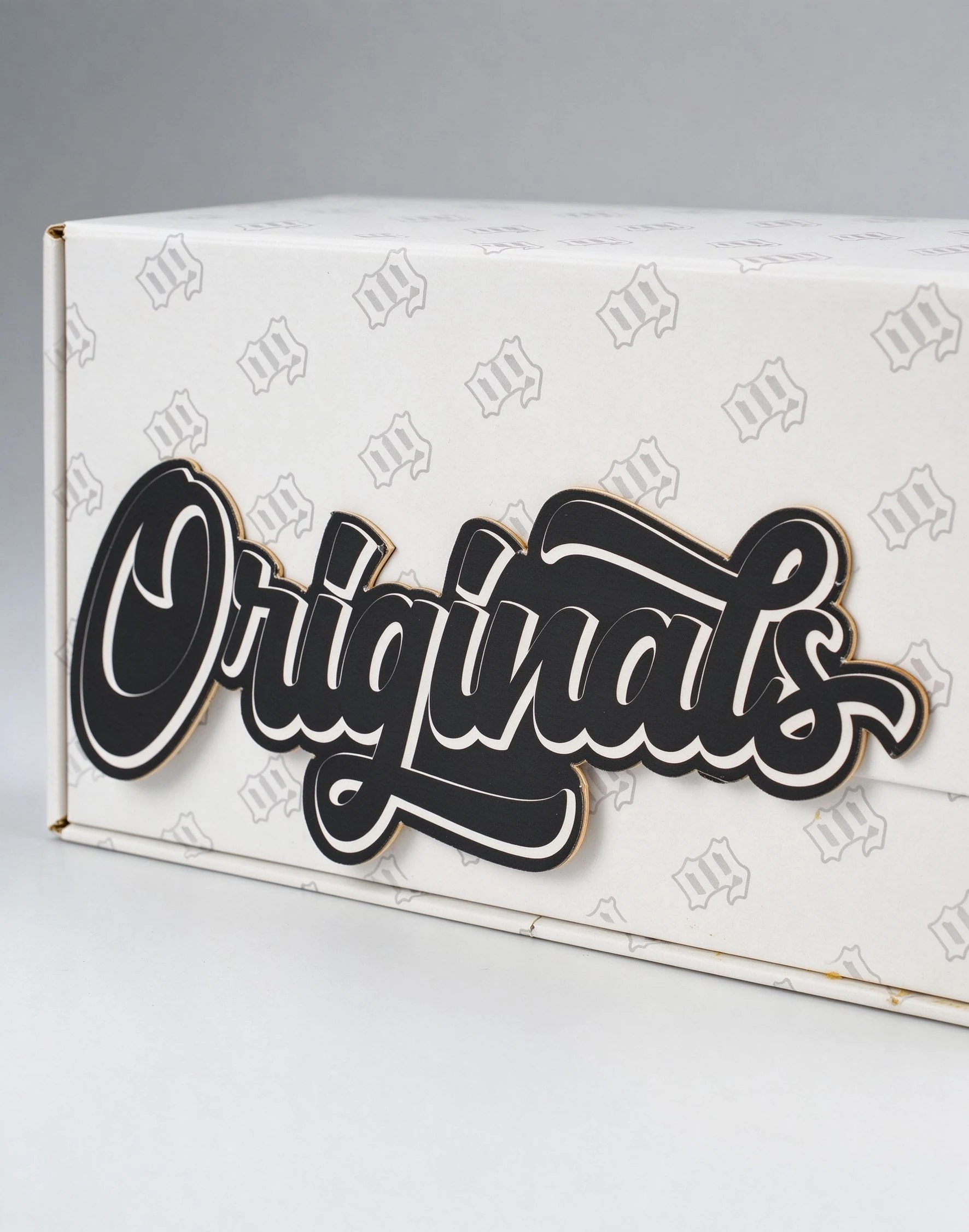
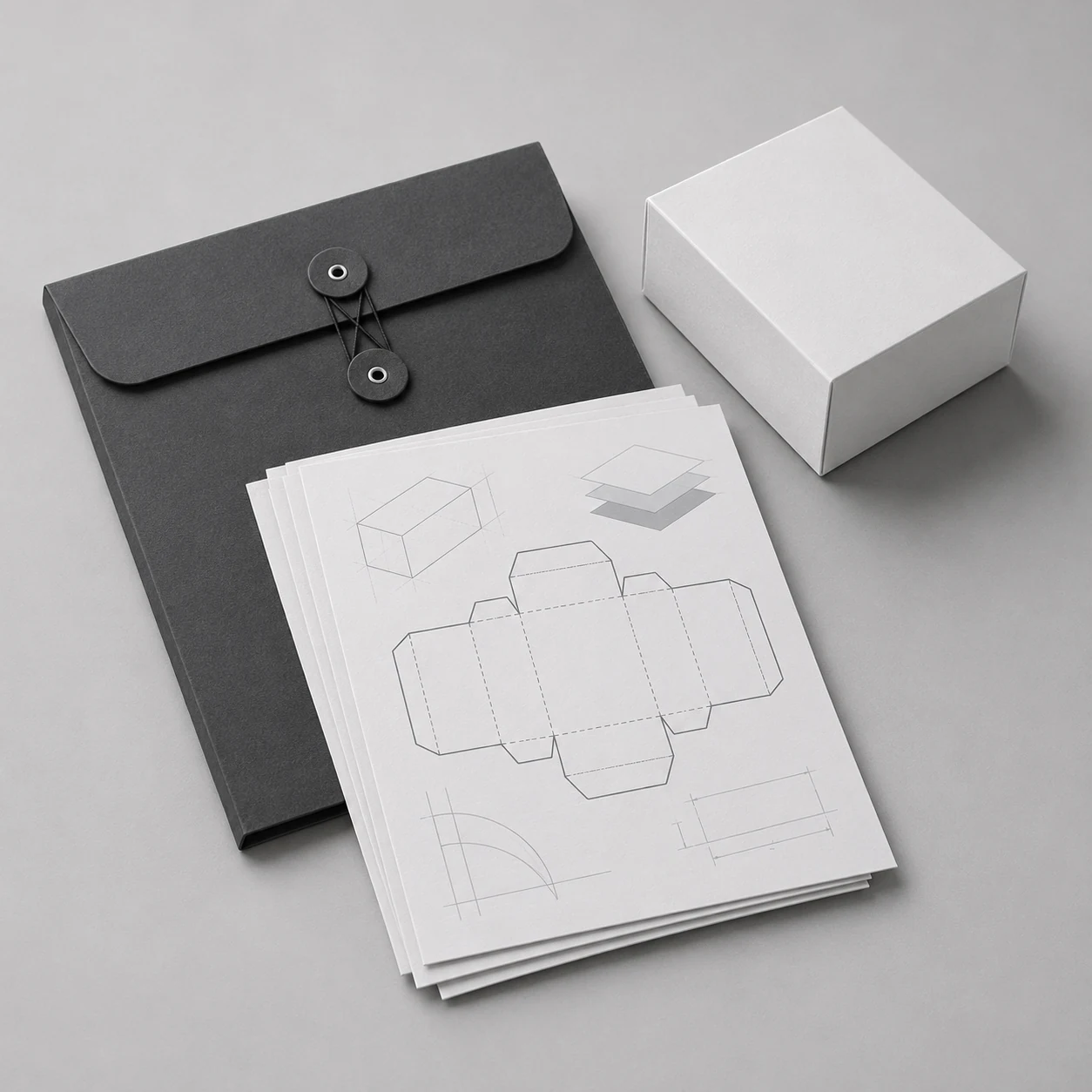
Two boxes can look similar in a photograph while specifying different inserts, surfaces or packing arrangements. Before comparing the prices, write down what each quote actually includes. Keep that brief attached to every version of the quotation.
For an early discussion, describe the product and the decisions that are still open. Ask which parts of the estimate are assumptions. That makes a later change in price easier to trace to a change in the specification, rather than treating the first estimate as a fixed promise.
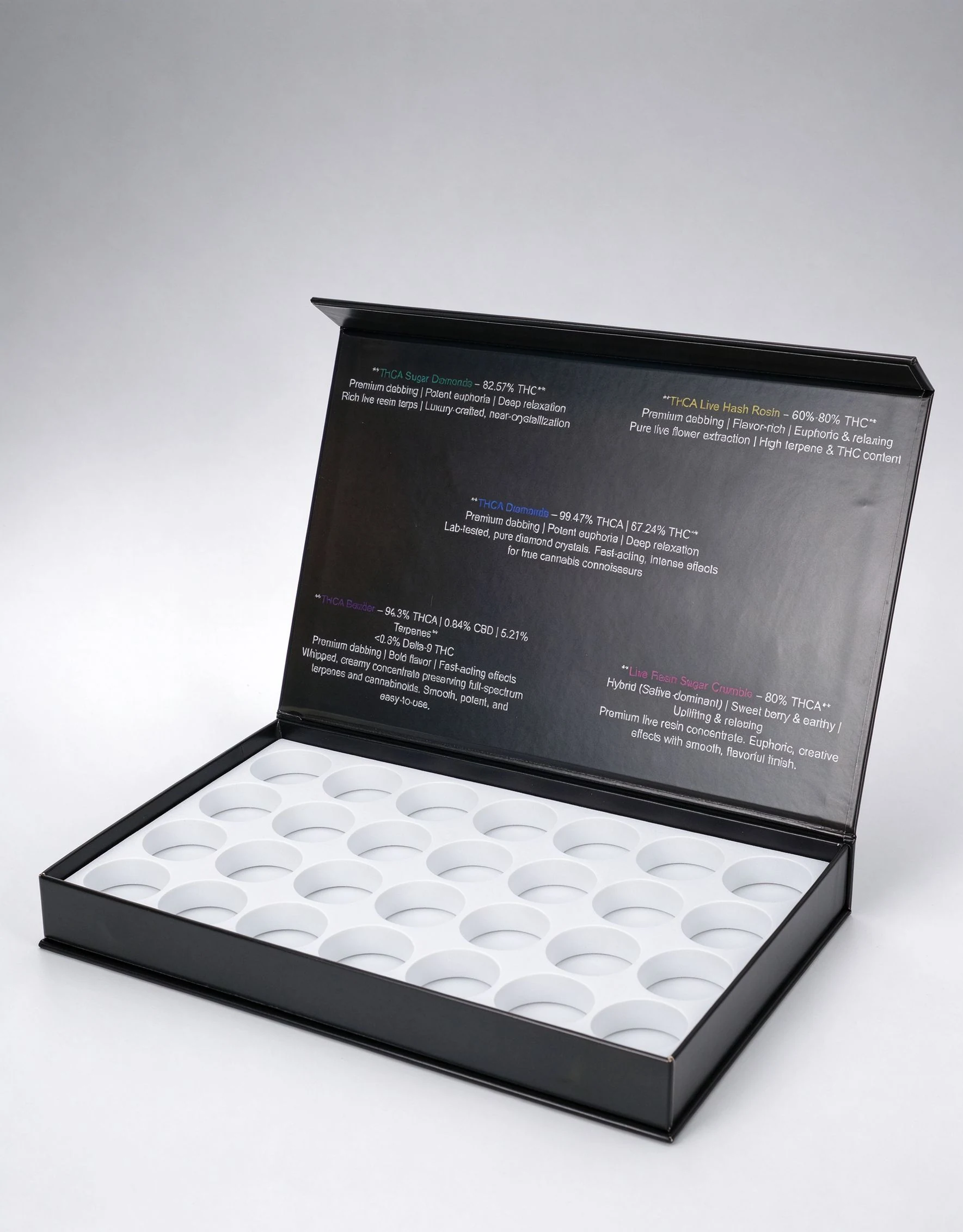
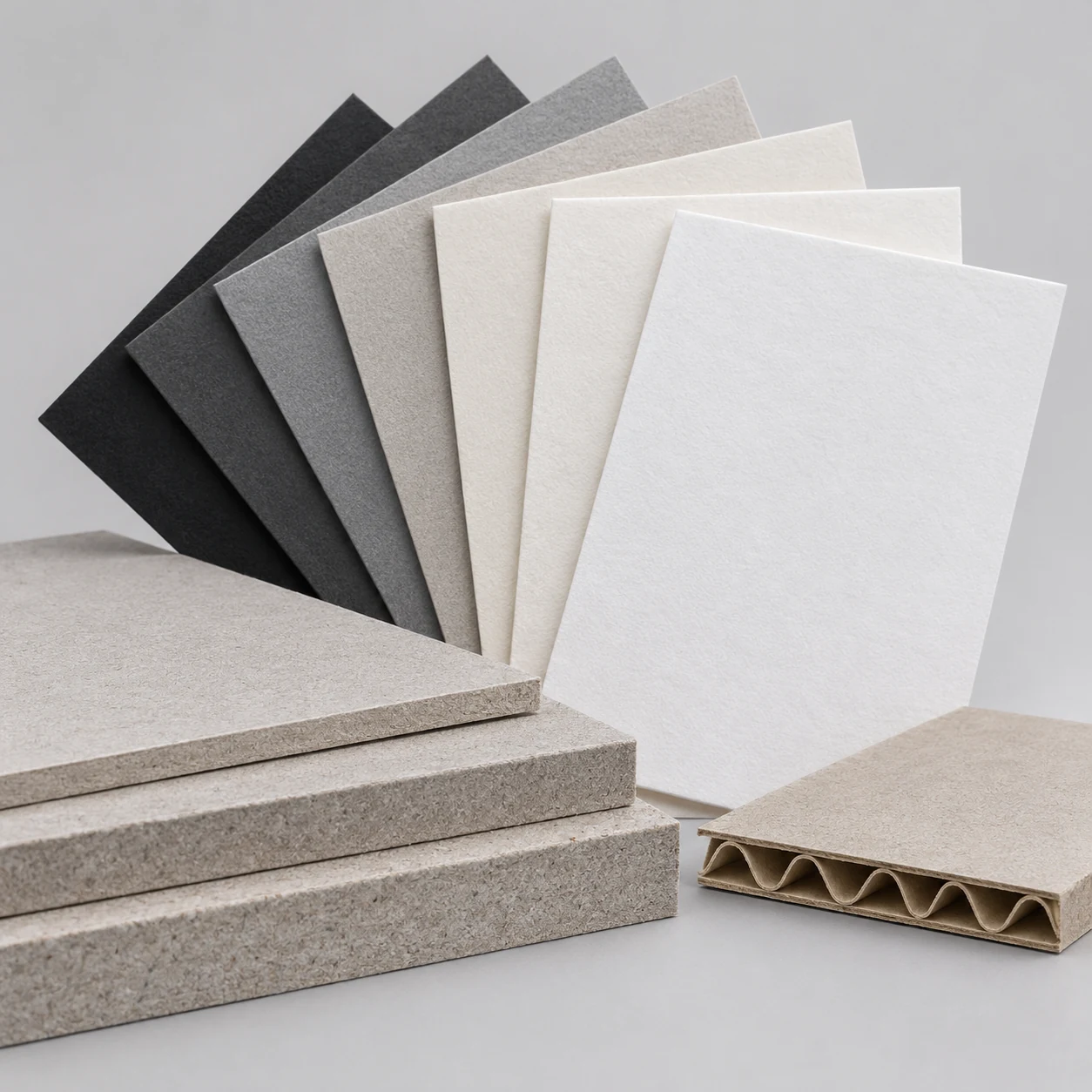
For a rigid box quote with custom inserts, separate the outer construction from cavity materials, slot count and assembly requirements. A packaging cost comparison at different quantities is useful only when the specification and delivery scope stay consistent.
Separate the choices that shape the quote.
Supplier quote tools commonly ask for dimensions, material, structure, printing, finishing, quantity and shipping destination. Those inputs provide a useful checklist; a third-party calculator is not a Bomidor quotation.
| Part of the brief | What to record |
|---|---|
| Size and structure | Product dimensions, box dimension convention, opening and number of components. |
| Insert | Material under discussion, cavity layout and products included. |
| Artwork and finish | Printed surfaces, colors to review and the placement of any extra operations. |
| Quantity | Quantity for each size and artwork version, not only the combined total. |
| Packing and delivery | Assembly state, protective packing, destination and the quoted delivery scope. |
References: PrintNinja · quote input categories
Ask what changes at each quantity.
For processes with setup work, the setup and repeat production are different parts of the job. PrintNinja describes offset setup as one reason its own quantity rules differ from print-on-demand. That is an example of a supplier-specific process, not a universal minimum order quantity.
If you need alternatives, request a small set of clearly defined quantities using the same specification. Also ask whether a change in size, artwork or material creates a separate run. Avoid adding several variants together and assuming the resulting total receives the same terms as one repeated box.
References: PrintNinja · offset setup and quantity discussion
Review the total scope, not just the box line.
List sampling, any separately quoted setup work, packaging production and delivery as distinct items. Mark each as included, excluded or awaiting confirmation. Record the currency and the version of the specification used for the quote.
For a destination-based comparison, ask which shipping and arrival charges are covered and which need separate confirmation. Do not compare an ex-factory figure with a delivered figure as if the two describe the same purchase. Confirm the commercial terms with the supplier before deciding.
- Keep the quotation date and any stated validity period.
- Check whether the sample and production scope match.
- Confirm what happens to the quote if the approved design changes.
Change one decision at a time.
If the first proposal does not fit the budget, identify the priorities: opening style, insert arrangement, surface effect or packing footprint. Request a revised option that states exactly what changed. A useful comparison preserves the requirements that matter to the product.
The next step is a specific brief, not a guessed industry price. Bomidor's pricing, minimum quantity and schedule need confirmation for the proposed structure and materials; this guide does not provide a price range.
Put the guide to work.
Share your product and the decisions you want to explore next.
Prepare a Packaging Quote