


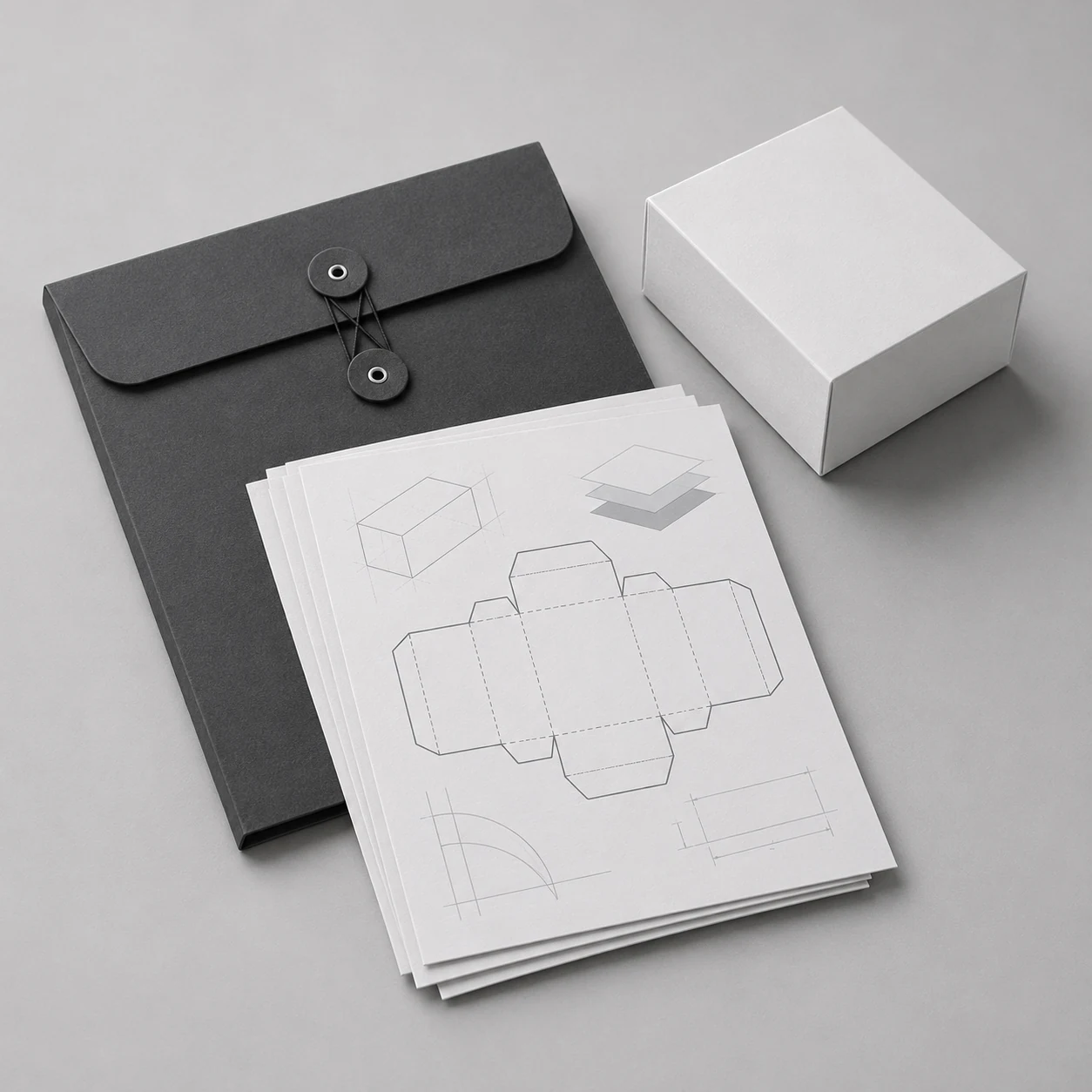
Rigid Boxes vs Folding Cartons for Product Kits
A practical comparison of construction, assembly and presentation.
Read the guideOEM / ODM paper packaging
Four core structures, six packaging collections. Start with the opening or what goes inside.
All box styles Vape packaging overview Request a Sample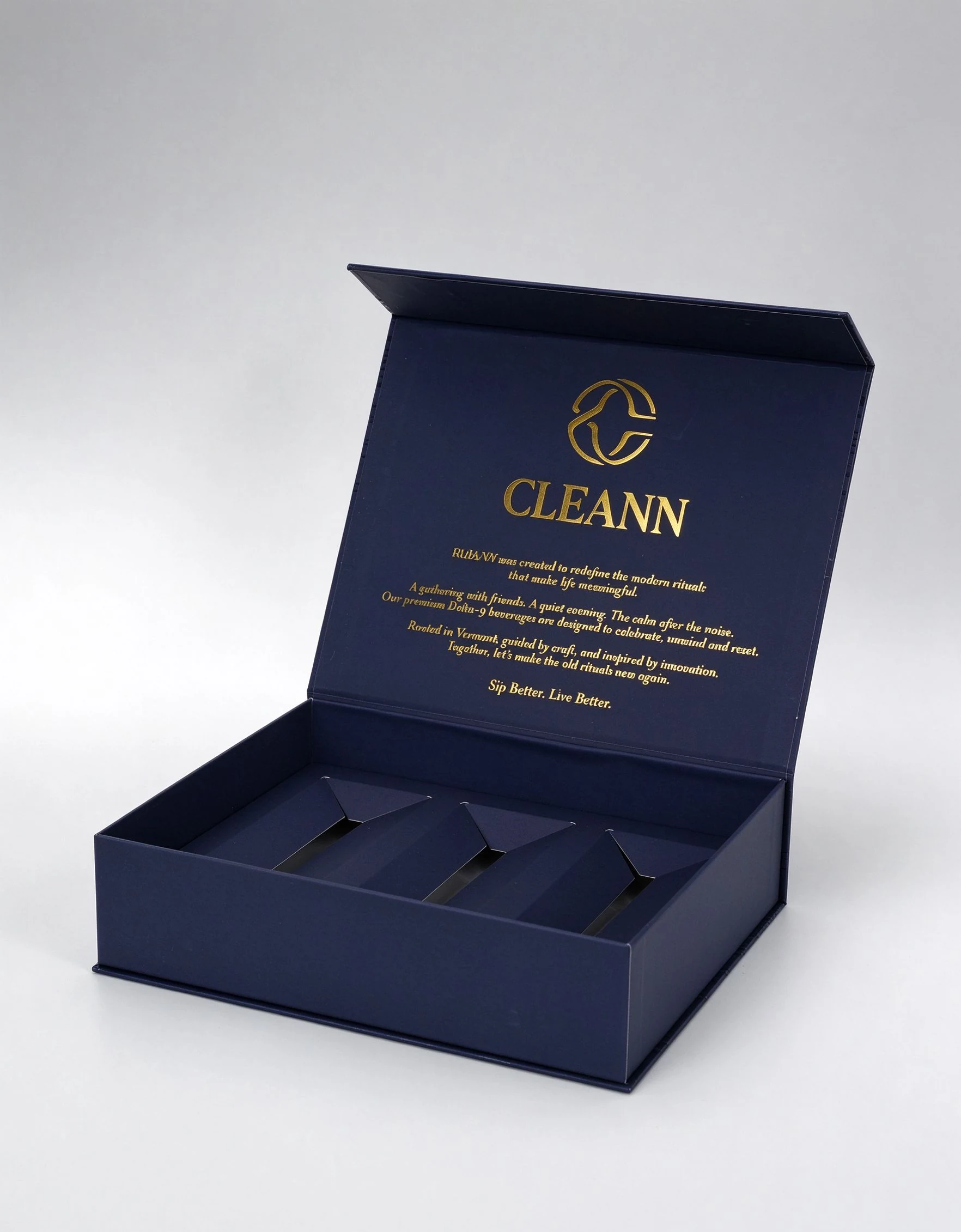
OEM / ODM paper packaging
Define the dimensions, branding, insert and finish for your project.
Explore customization Request a SampleOEM / ODM paper packaging
Explore the structure, application and finish of the supplied packaging collection.
All packaging samples Request a SampleOEM / ODM paper packaging
Review the board, surface, insert and structure together.
Materials & finishes Request a SampleOEM / ODM paper packaging
Review the working areas, prepare a specification and explore the information behind a packaging project.
All buying guides Request a Sample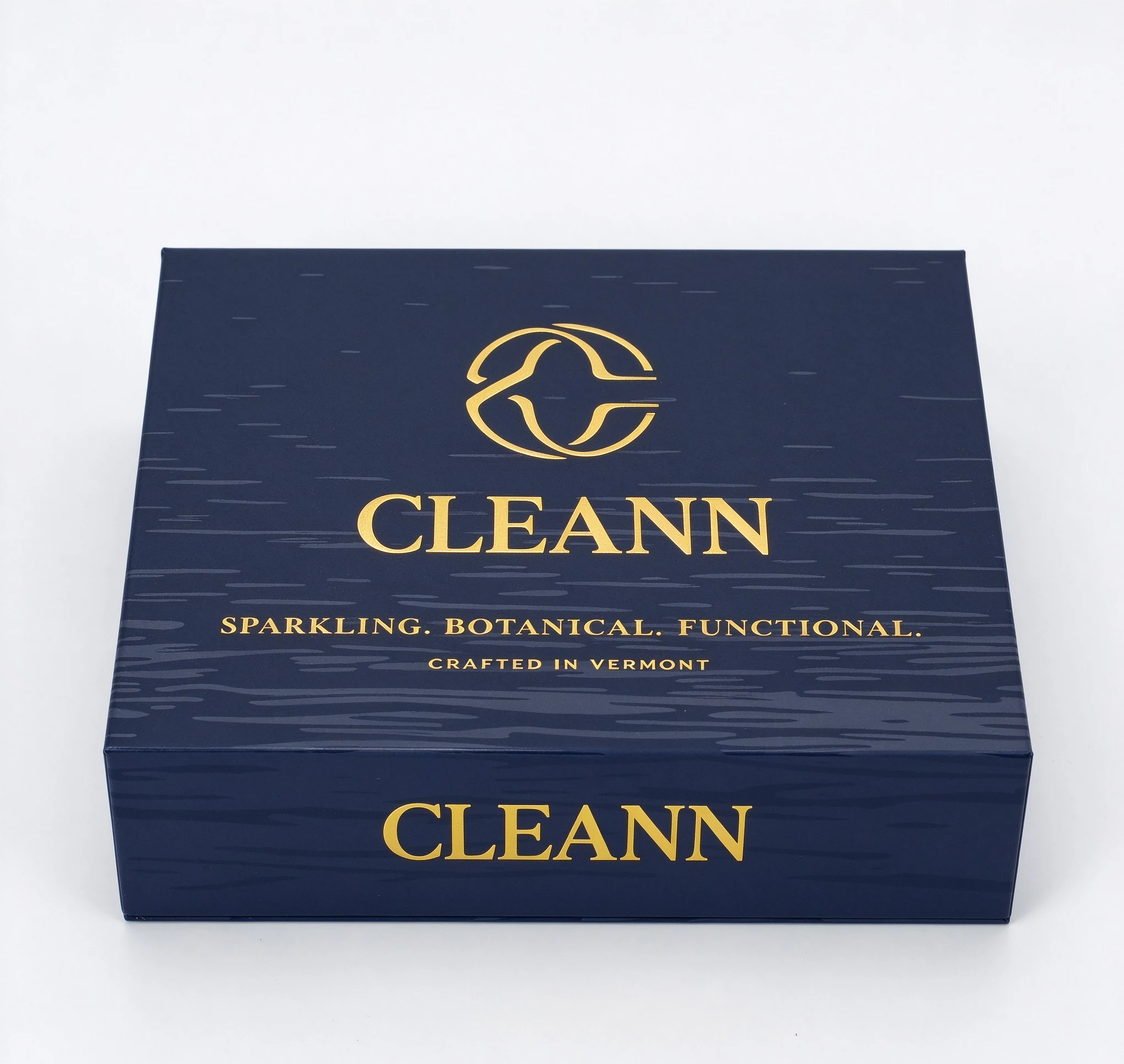
Materials & finishes
Compare foil and spot UV finishes for rigid boxes, printed-paper choices and lamination. Review material and surface references on a physical sample.
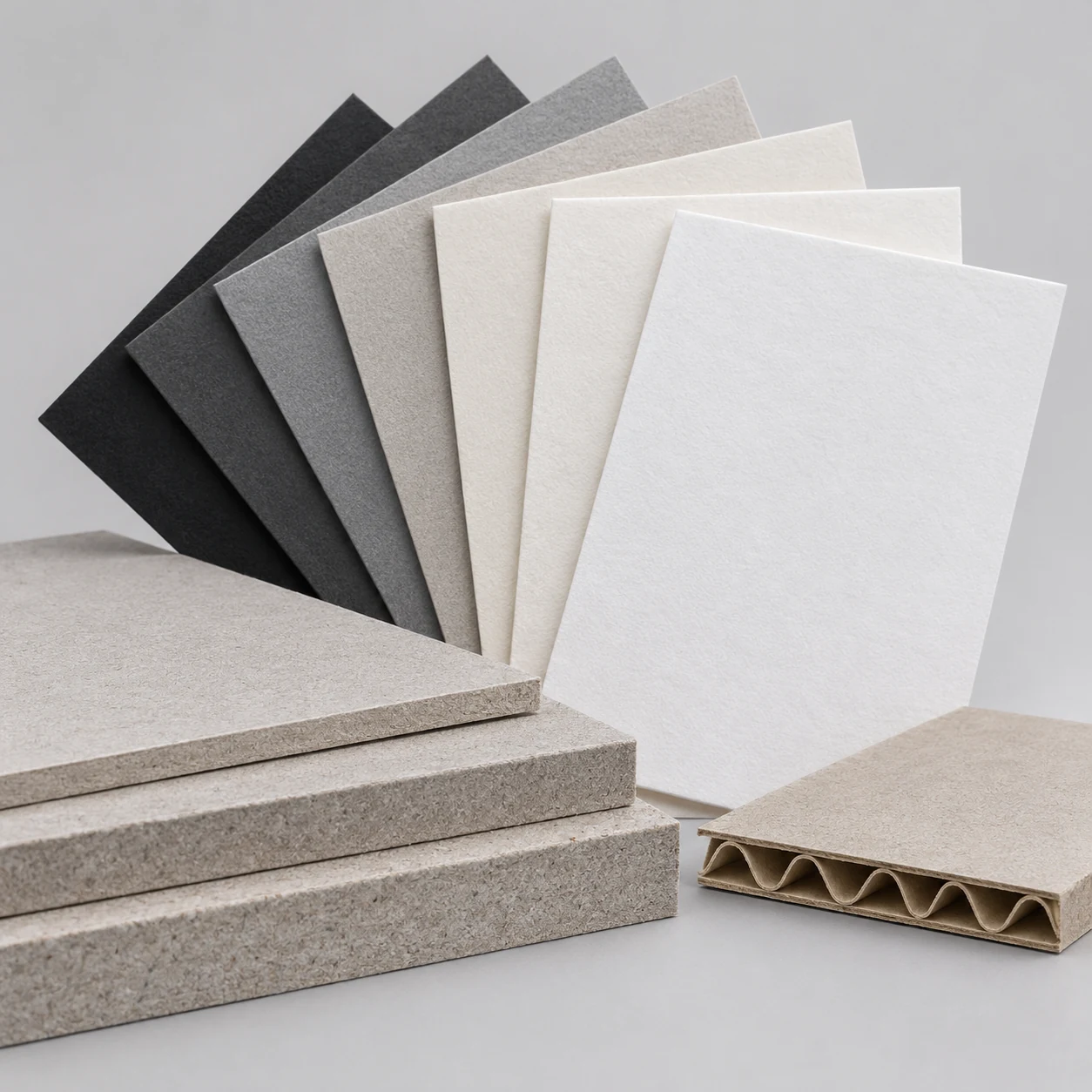
In a wrapped rigid box, the structural board and outer paper have different roles. The board defines the body; the wrap carries much of the visible color and texture. A folding carton or display may use a different construction.
Discuss the intended box size, product weight, wrapping paper and interior together. Specific grades, thicknesses and available combinations are confirmed against the brief.
Compare specialty paper and grey board packaging by separating the structural board from the printed outer wrap. Confirm the specific paper, finish and product-contact surfaces for the chosen sample.
A screen preview is a design reference, not a physical color sample. Identify brand-critical colors and discuss the reference and proofing method used to review them.
Matte, glossy or textured surfaces change how a design is seen and handled. Confirm the proposed coating or lamination and inspect an actual sample before selecting the final combination.
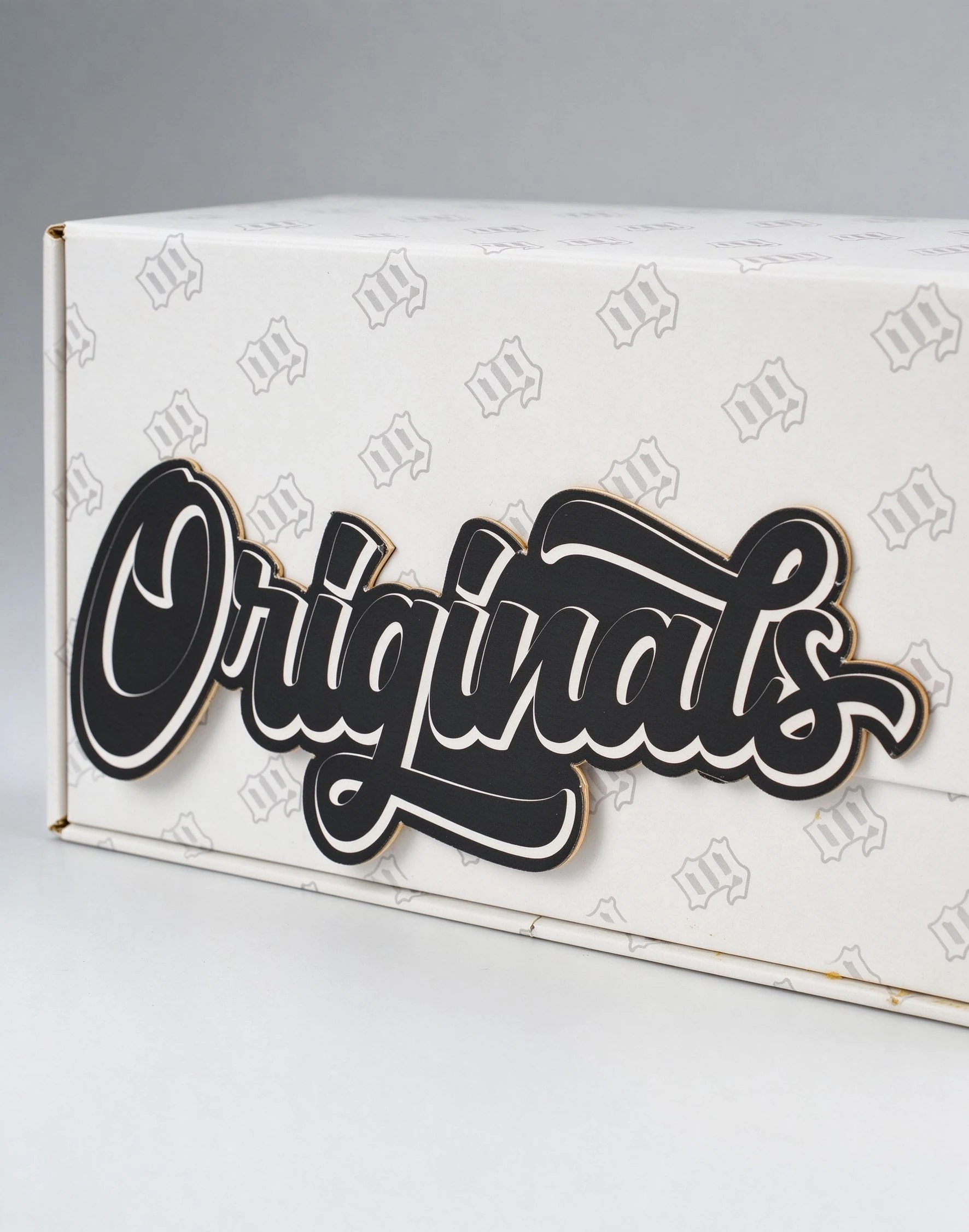
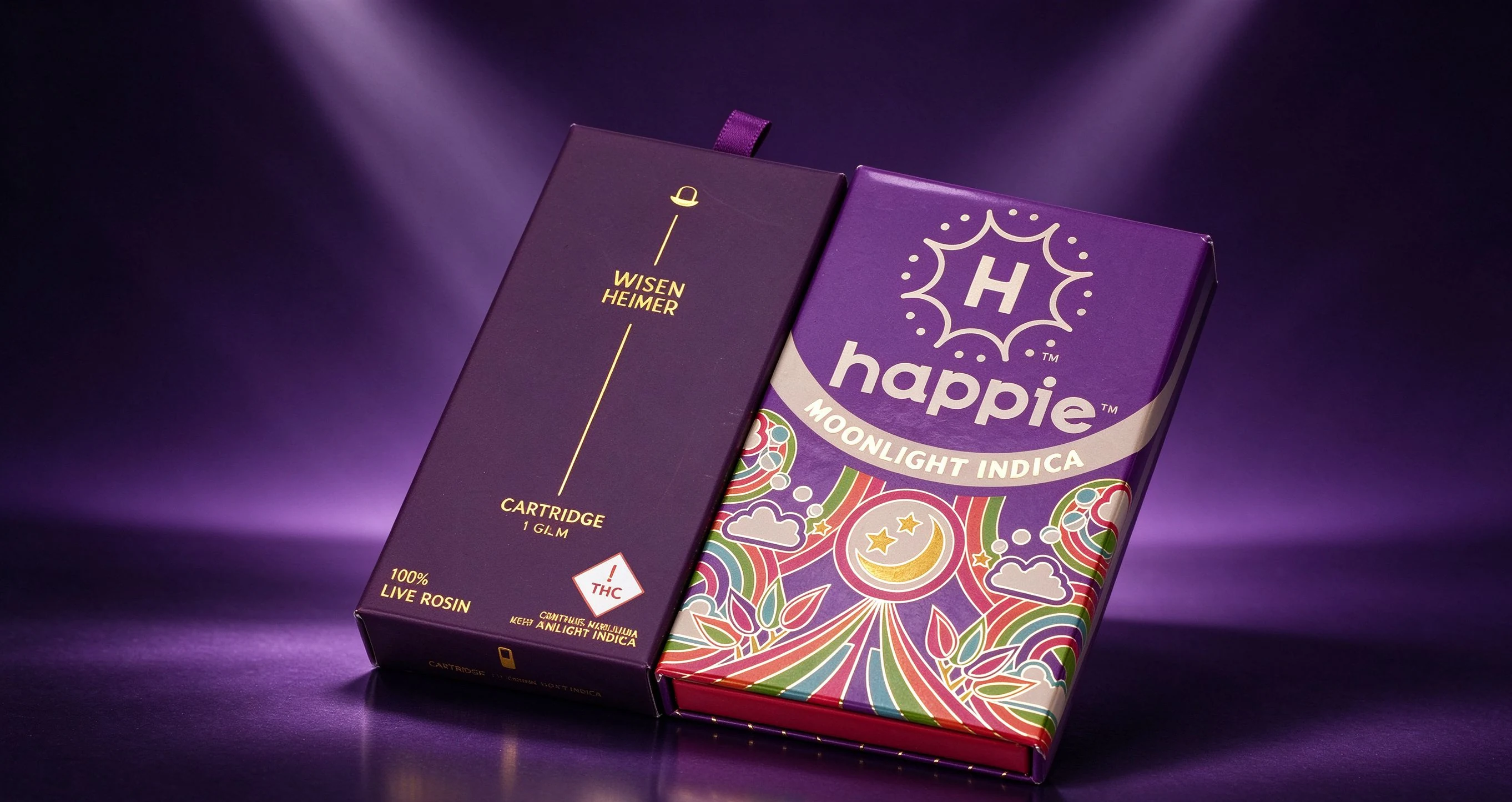
Foil stamping applies a separate foil detail. Embossing raises selected areas. Spot UV adds a localized gloss effect. These are different visual and tactile choices; a photograph cannot establish how a particular combination will feel.
Before confirming the design, discuss fine lines, spacing, alignment and the relationship between the finish and the paper. Avoid choosing a finish solely from a digital mockup.
Review matte or gloss lamination for printed boxes against the foil artwork and the actual wrapping paper. Use the sample to compare reflection, texture and the visibility of small printed details.
| Finish | Planning reference | Sample check |
|---|---|---|
| Foil stamping | A separate foil detail for a logo, text or artwork | Color reference, alignment and small lines |
| Spot UV | Localized gloss over selected printed areas | Coverage, edge alignment and the printed surface |
| Matte or gloss lamination | Surface appearance across the printed wrap | Reflection, texture and compatibility with the selected foil |
References: PackMojo · insert materials and finishing definitions
If your project has a material policy or documentation requirement, include it in the brief. Ask for evidence covering the actual specification instead of relying on a broad label such as paper-based or premium.
Material availability, sourcing documentation and any requested tests are reviewed separately. Include the exact certification, composition or disposal information your project requires so the relevant evidence can be discussed.
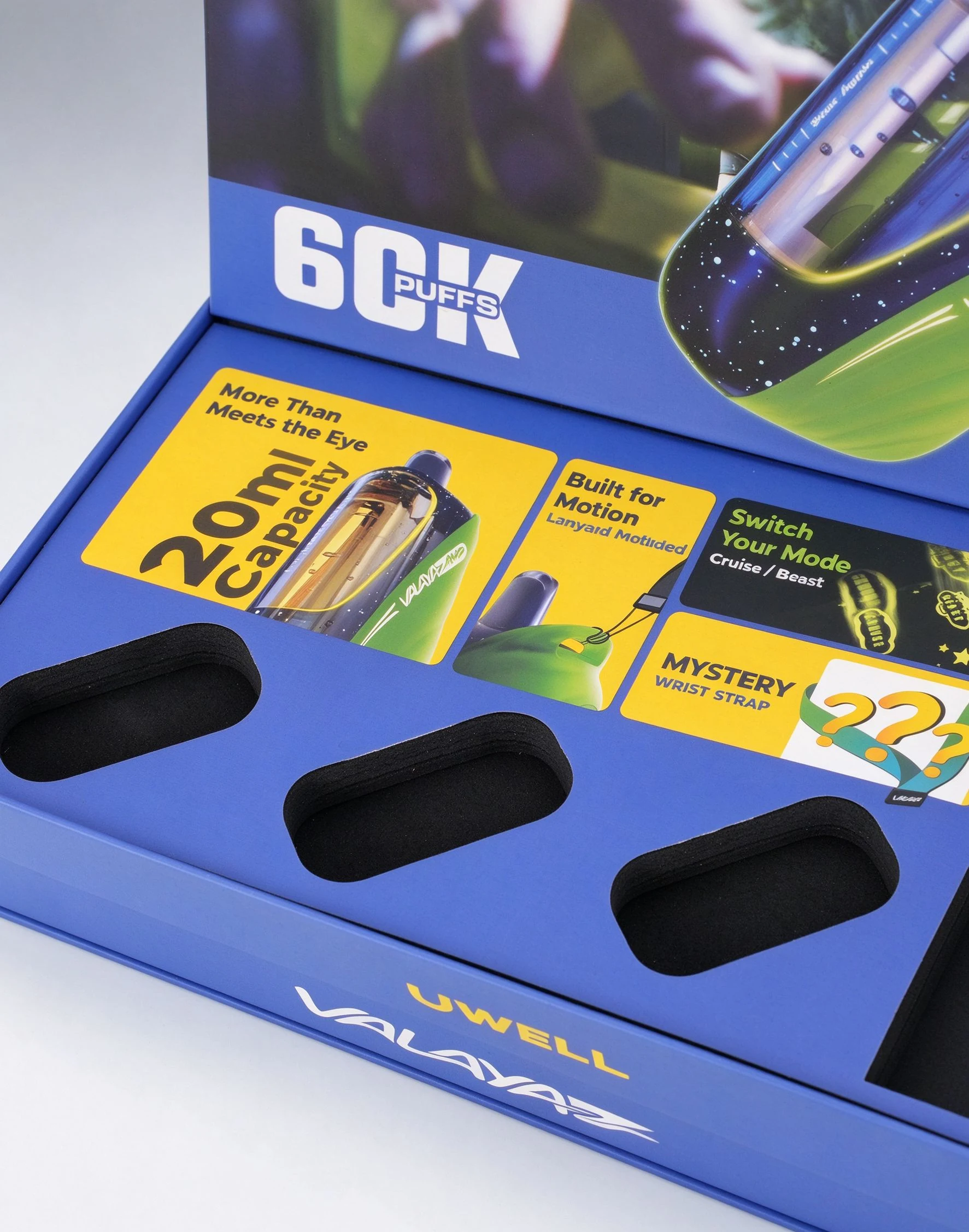
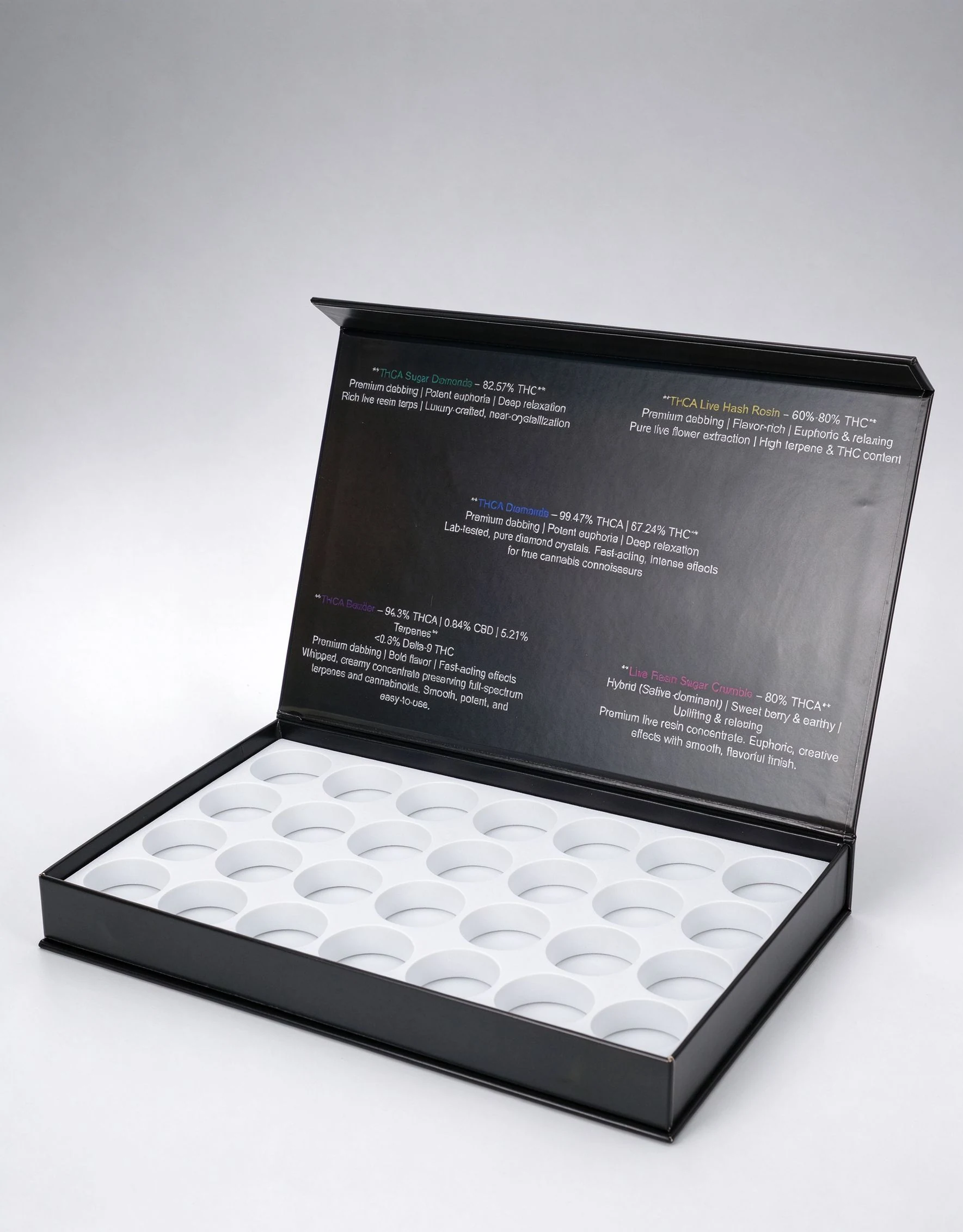
Compare folded paper, paperboard, EVA, sponge foam and flocked surfaces. Discuss cavity dimensions, product separation, finger access and the appearance of the assembled box.
Material selection is specific to the product and use. Review the physical insert with the products it will hold.
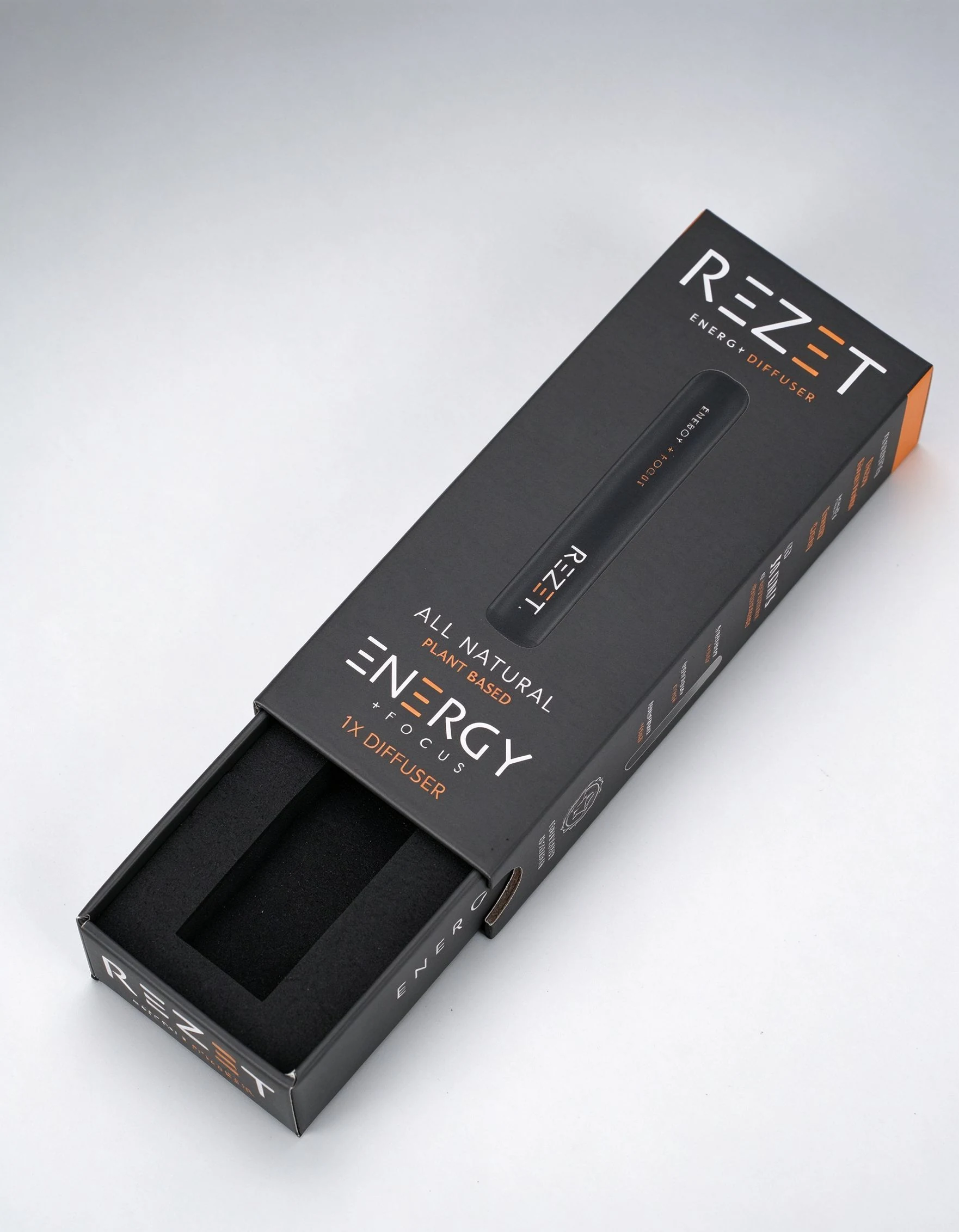
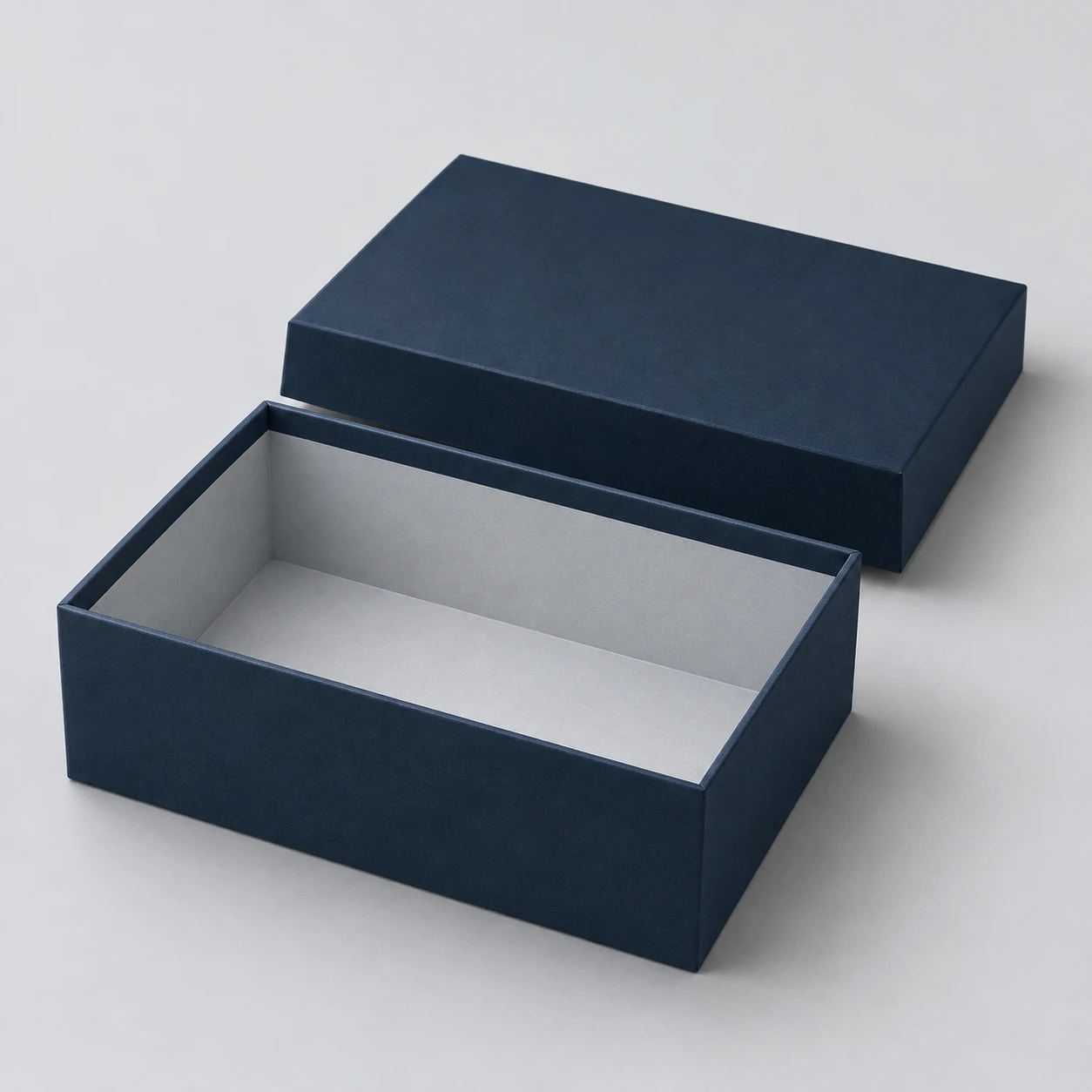
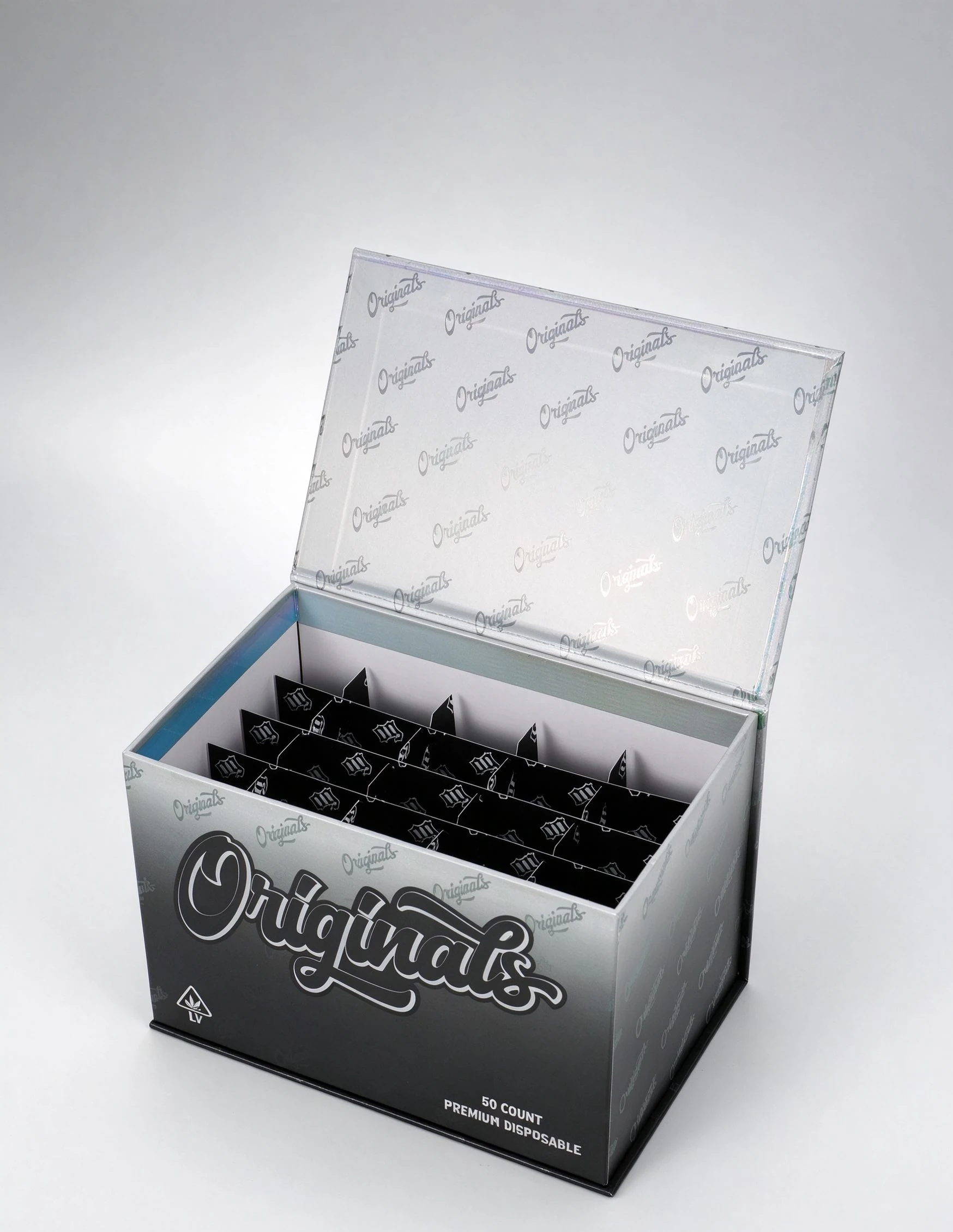
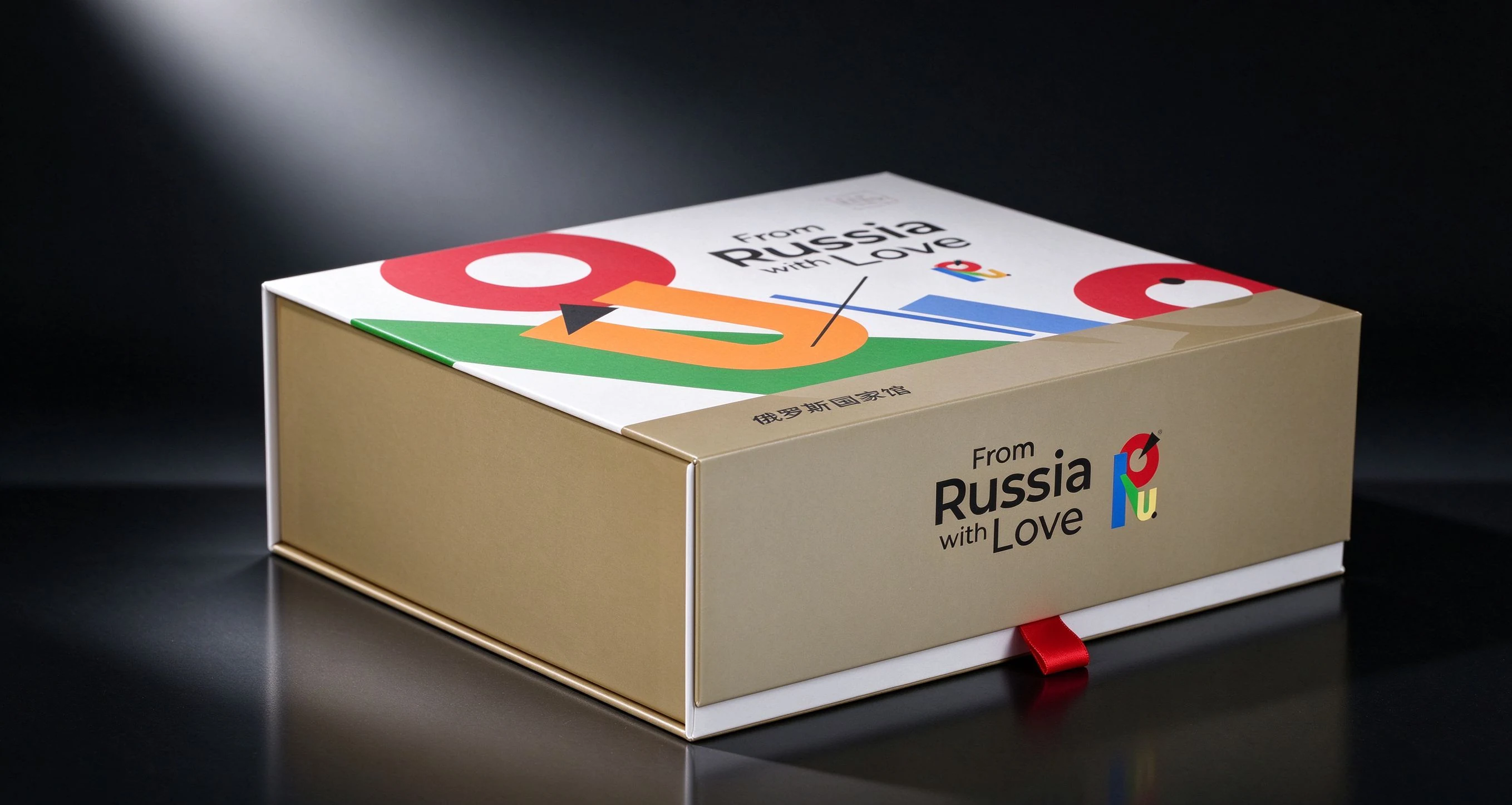
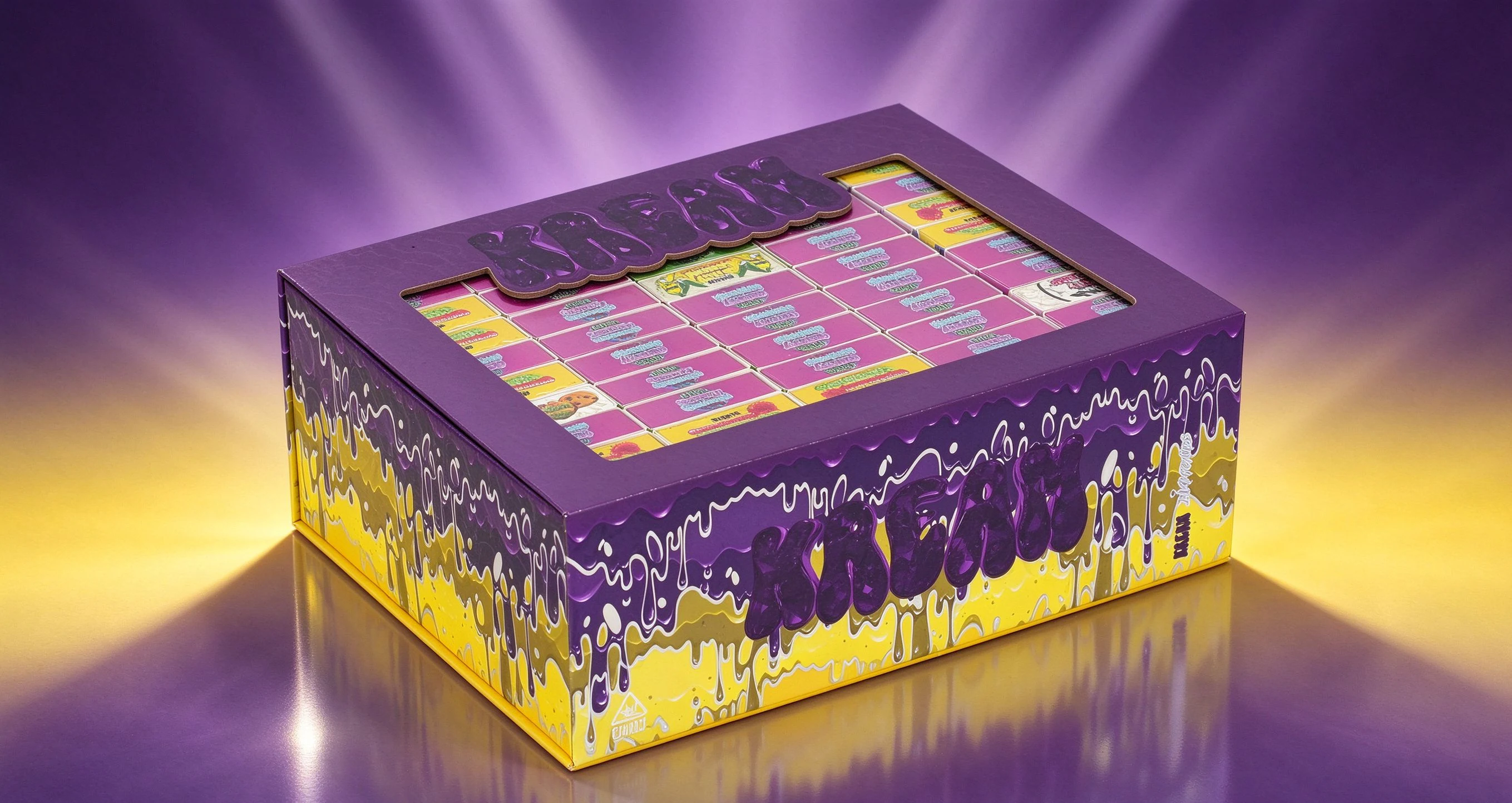
Magnetic book-shaped boxes open on a hinged cover; drawer boxes use a sliding tray; two-piece lid-and-base boxes have a separate lid; retail display boxes organize products for counter presentation.
Compare the opening experience, contents and available display space before choosing the structure.
Explore finishes that add texture, depth and contrast to your packaging.
Ask About This FinishMetallic details for logos, patterns and finishing touches.
Clear up the practical details, or start with the information you already have.
Discuss My RequirementsDescribe the intended combination and placement. Compatibility, available detail and the sample scope need to be reviewed for the chosen material and structure.
Use references to communicate the direction, then identify the appearance and handling questions that require a physical sample.
The open questions can be part of the conversation.