


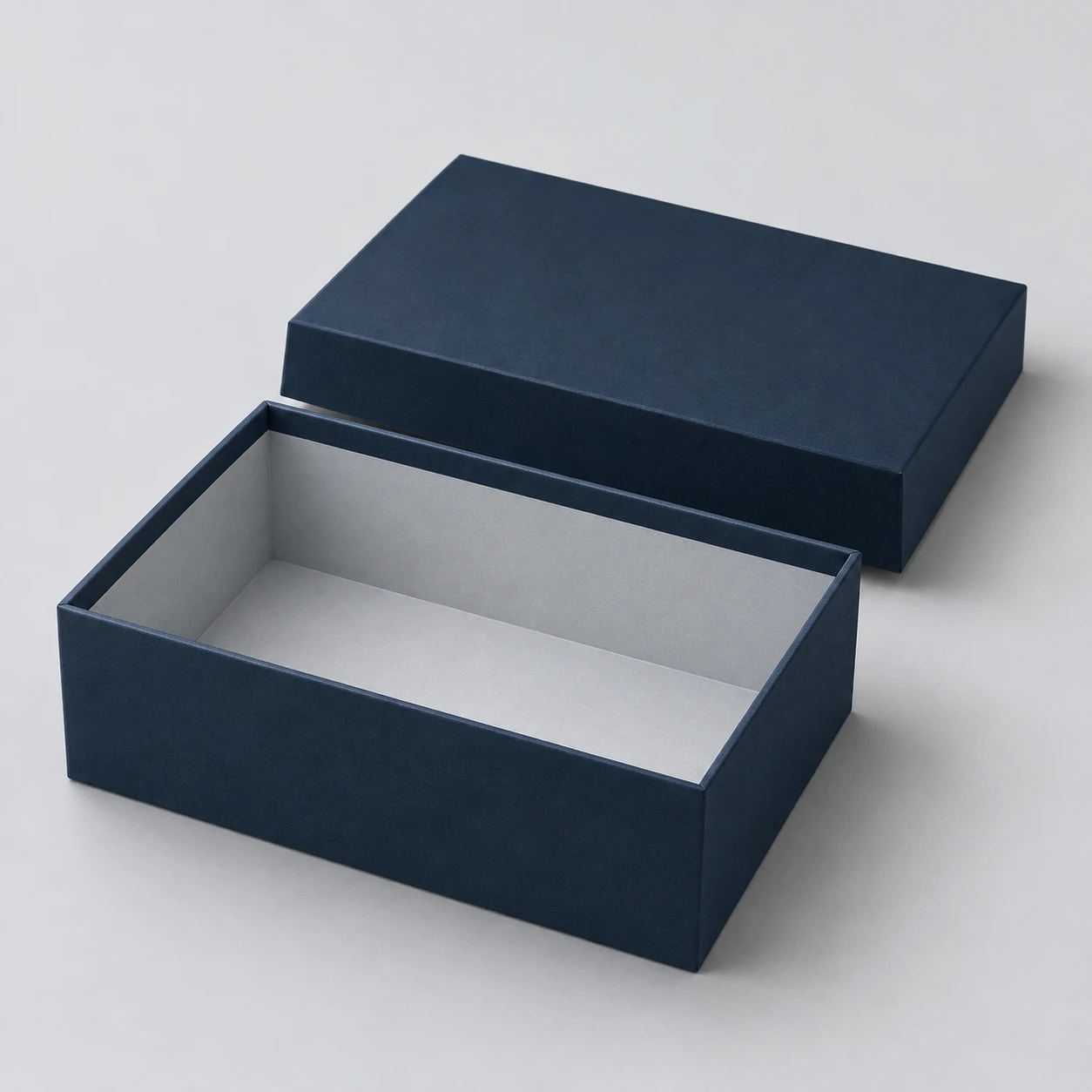
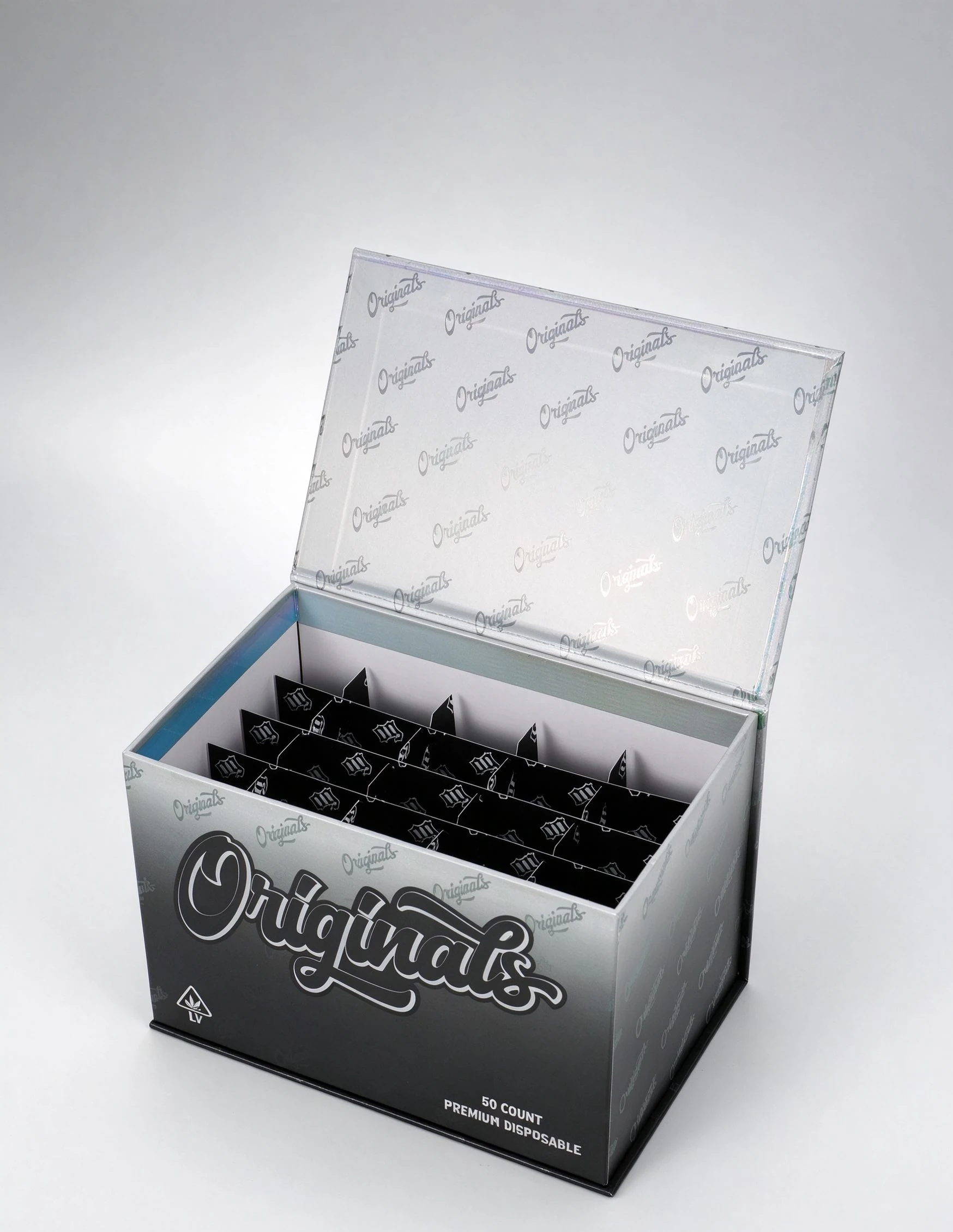
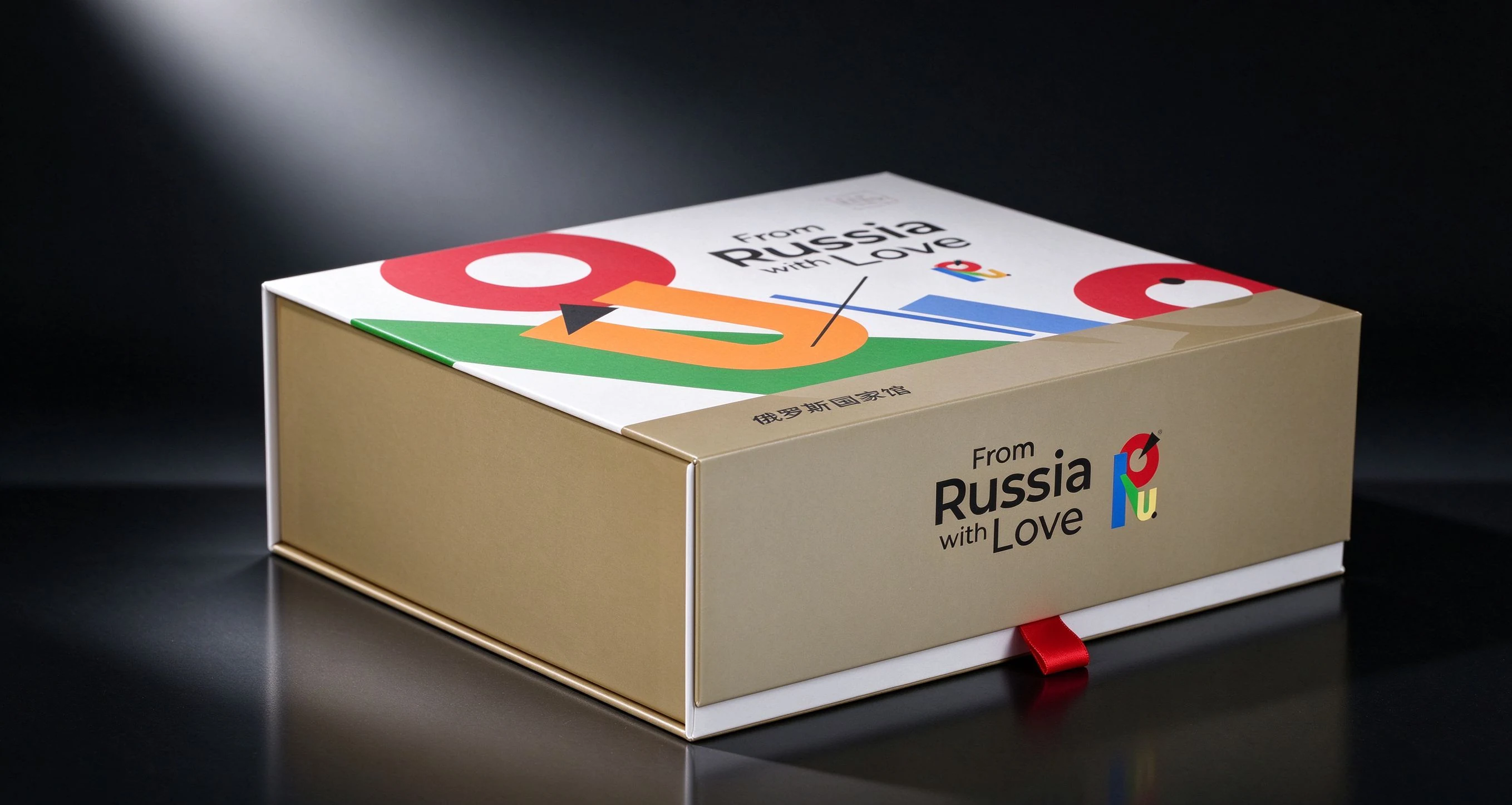
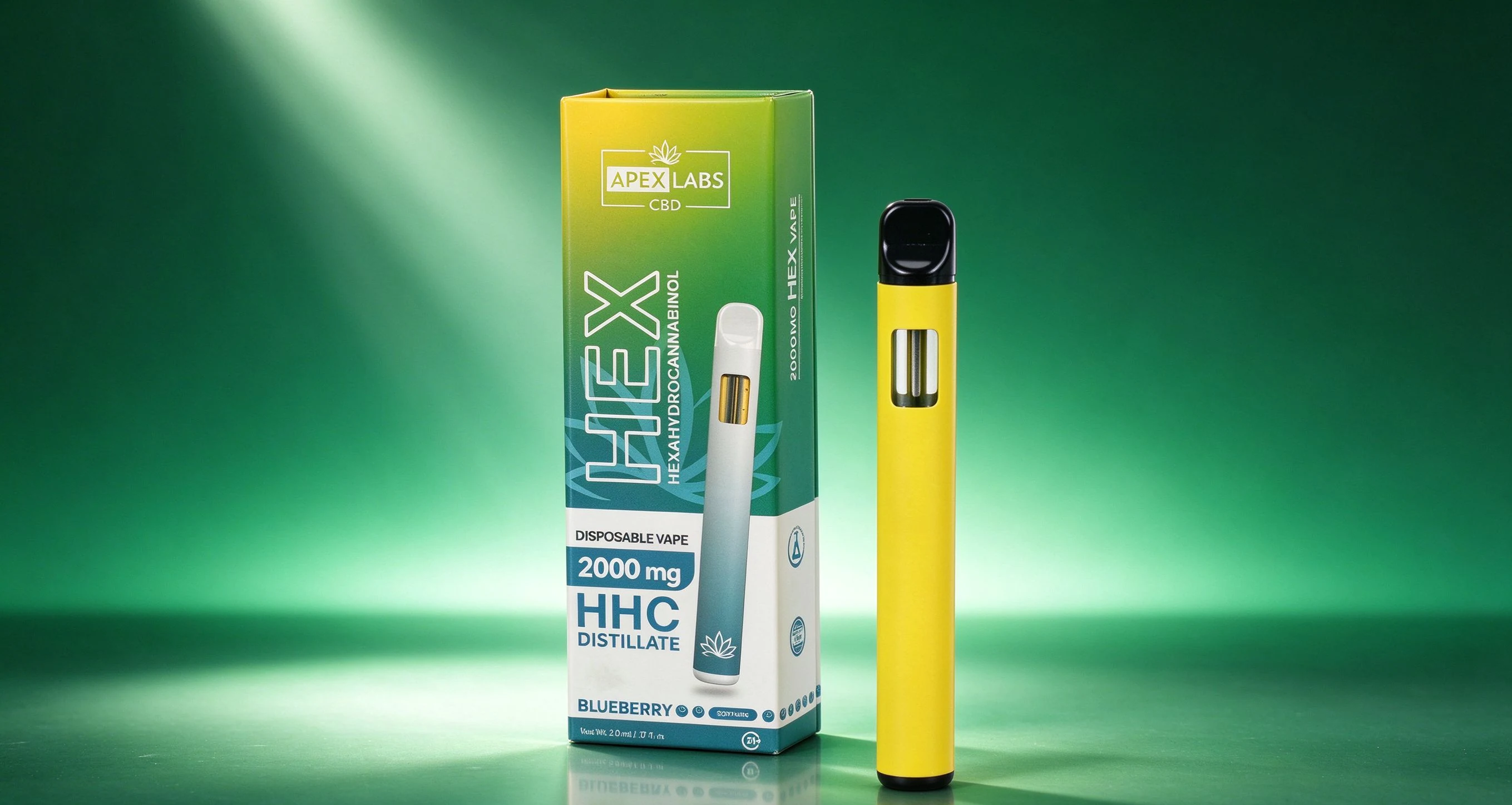

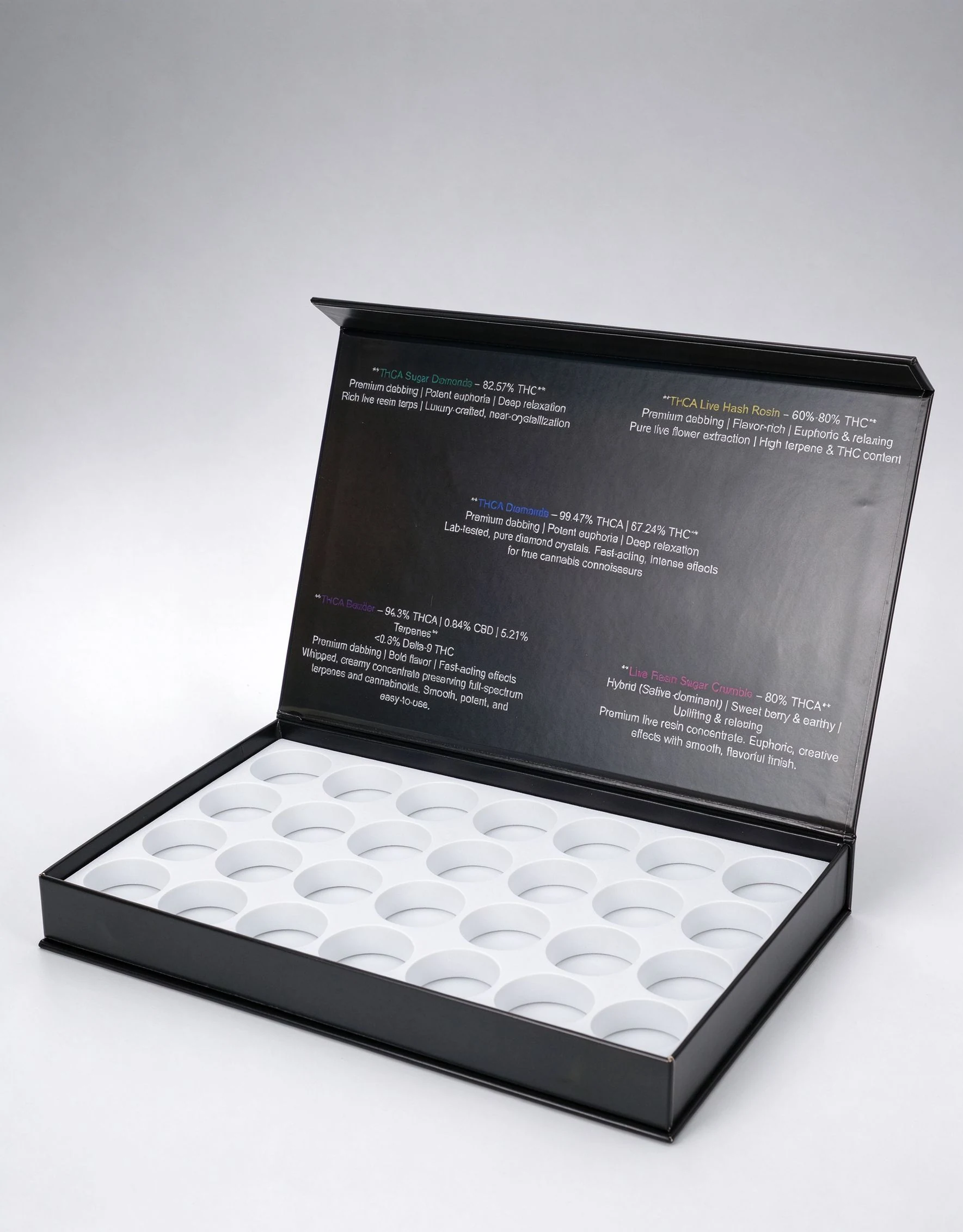
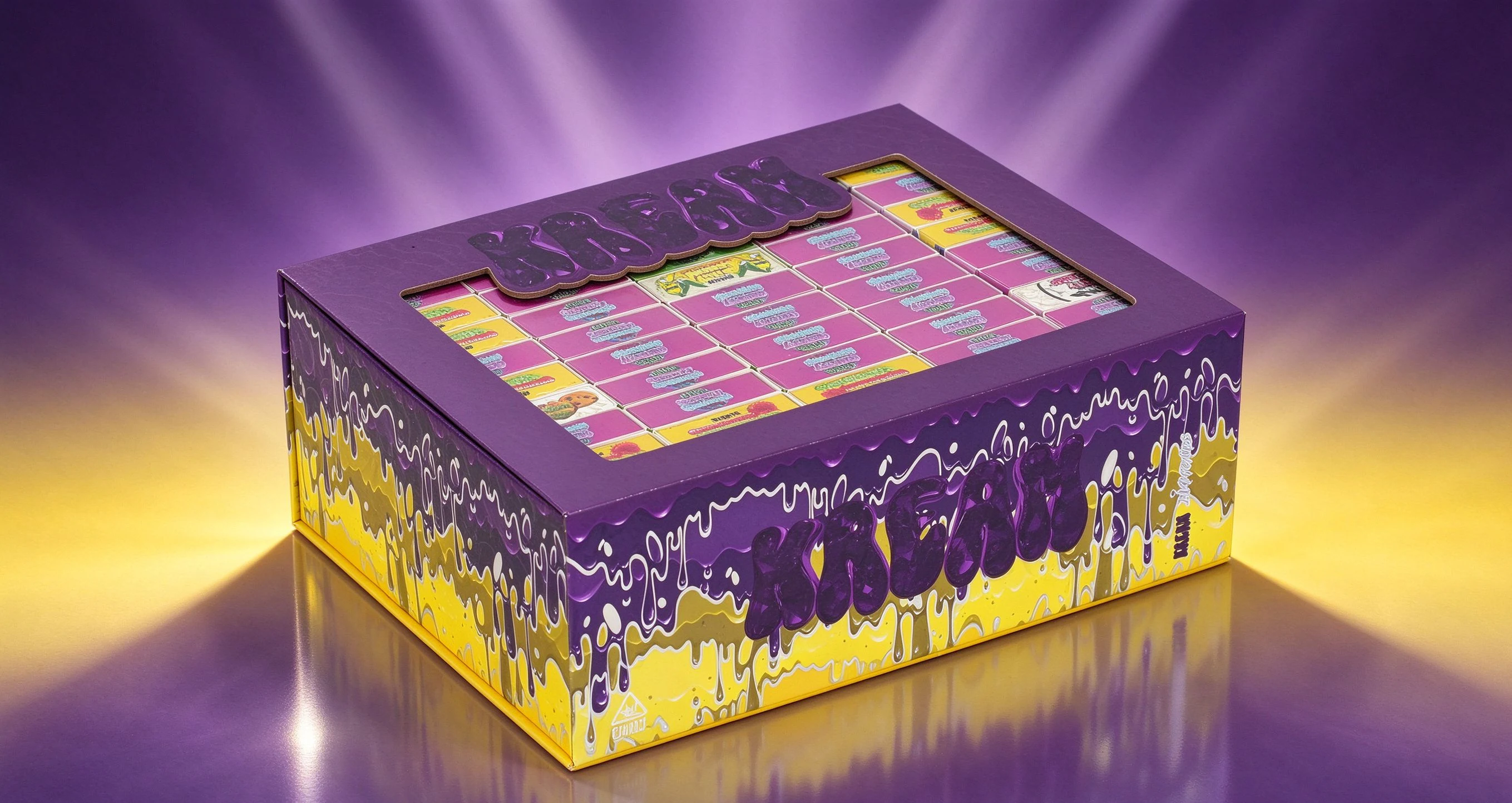


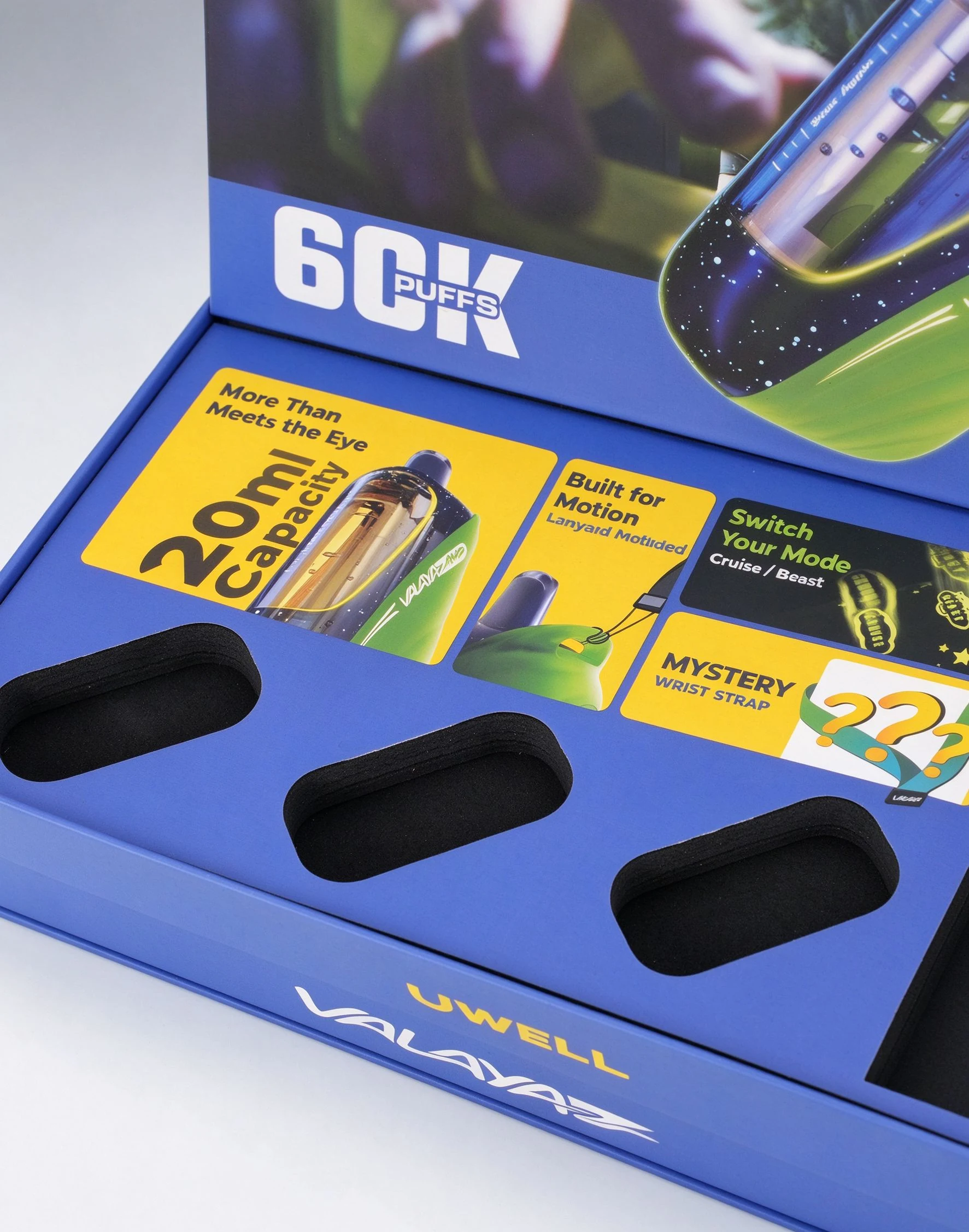


First, distinguish the constructions.
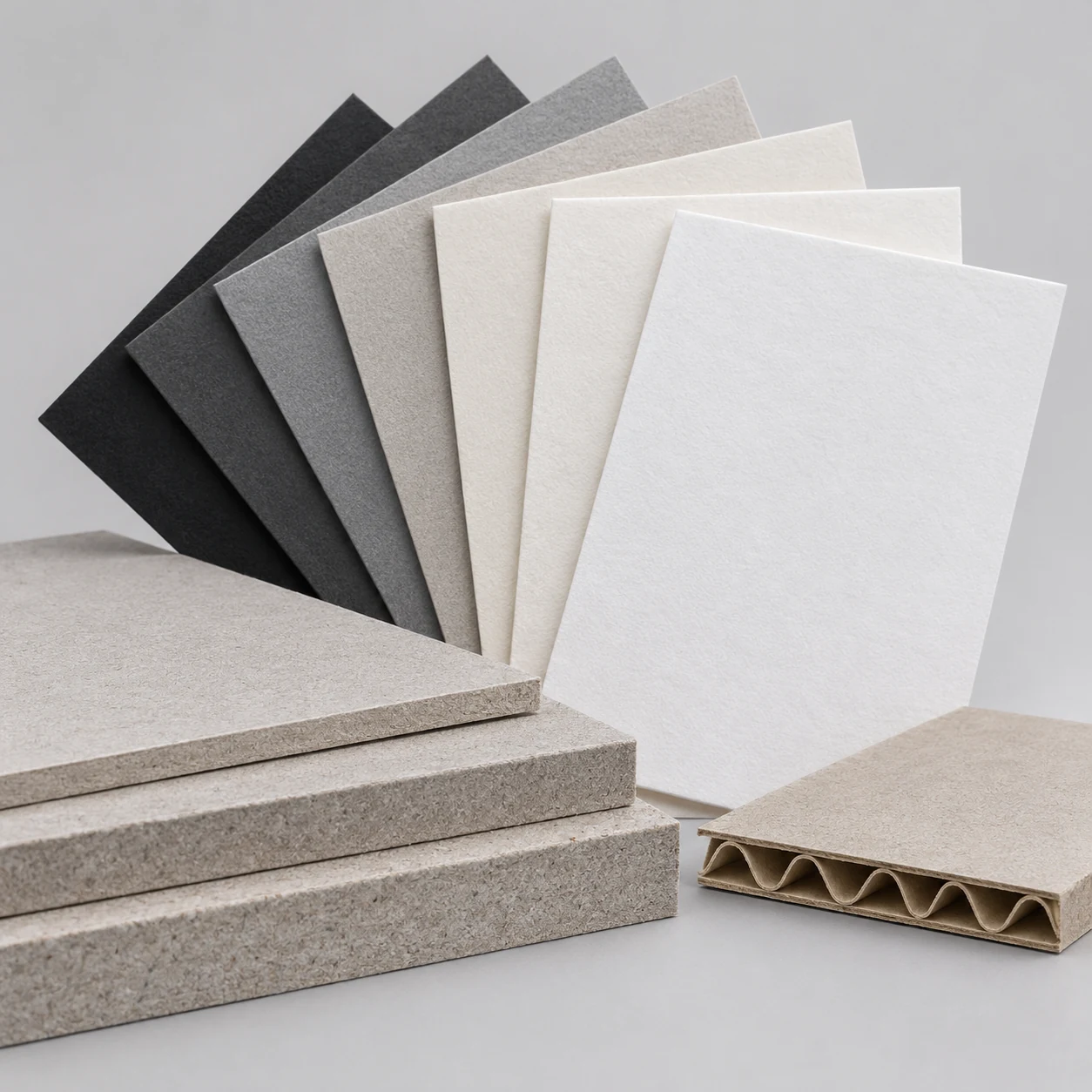
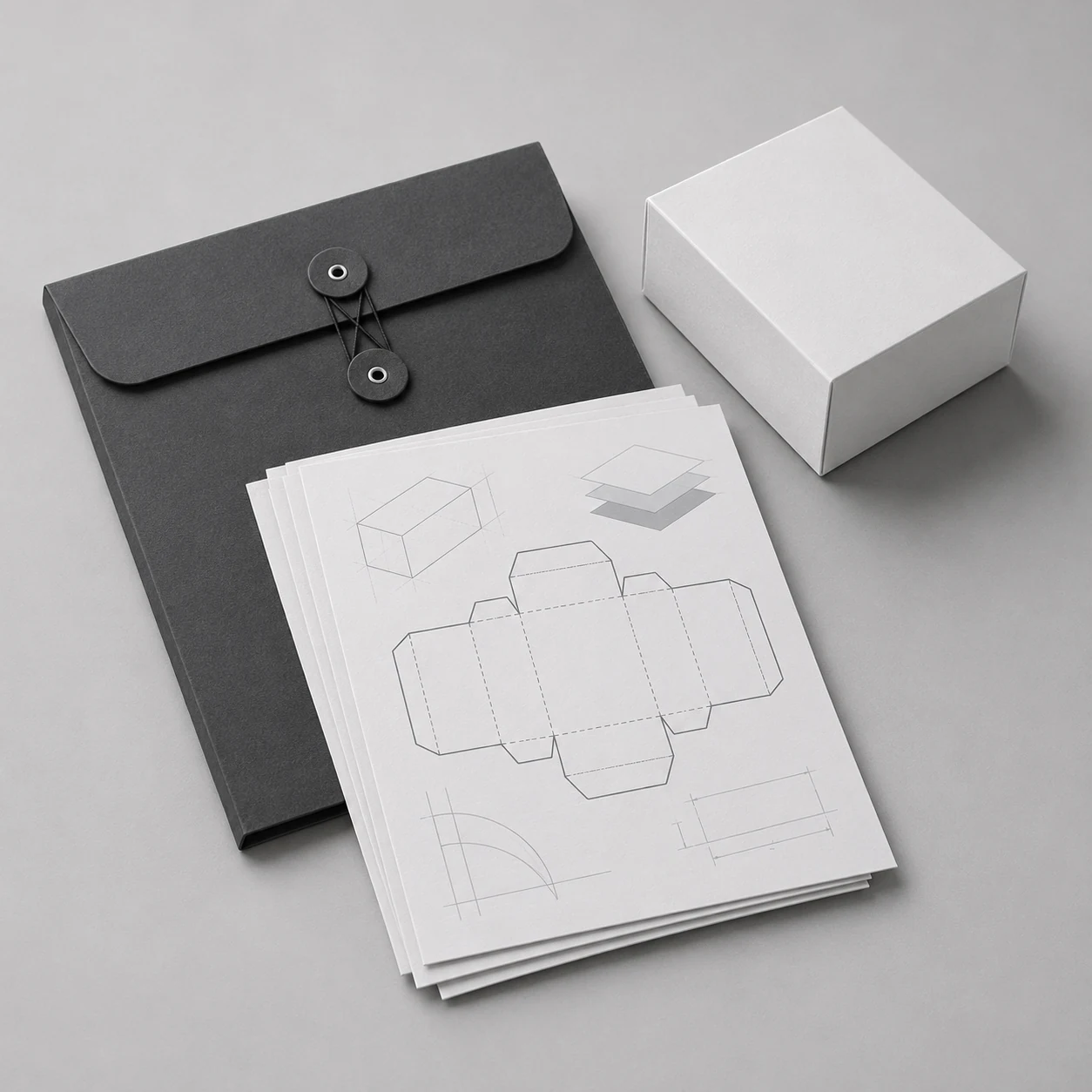
A typical wrapped rigid box uses a formed board body with an outer wrap. A folding carton uses a cut and creased construction that is erected into its final shape. These are broad descriptions; the exact material and closure still matter.
PackMojo's product pages illustrate this distinction through wrapped rigid boxes and folding tuck-end cartons. Use the specific proposed design for your comparison and confirm how that design will be supplied.
When reviewing rigid packaging for a device and accessory set, compare the full loaded arrangement rather than an empty outer box. Include filling access, product separation and a box assembly and shipping comparison using the proposed constructions.
References: PackMojo · folding carton construction · PackMojo · wrapped rigid box construction
Compare the tasks, not the labels.
Describe how the packaging will be filled, opened and displayed. Then compare a sample of each proposed structure against those tasks. Avoid making the decision from paper thickness or a finished photograph alone.
| Decision | Wrapped rigid box | Folding carton |
|---|---|---|
| Opening | Discuss a lid, sliding tray or hinged opening. | Discuss the flap and closure arrangement. |
| Product arrangement | Review the body, insert and access together. | Review the erected carton, closure and any insert together. |
| Packing operation | Confirm what arrives assembled and what the packing team adds. | Confirm erection, closure and filling steps. |
| Transport and storage | Request actual packed dimensions; ask whether a collapsible option is proposed. | Confirm the supplied form and how it is stored before filling. |
| Visual details | Review the wrap, edges and any added components. | Review the printed panels, creases and closure position. |
Test the complete product arrangement.
For a kit, list every component and the order in which the user should remove it. Consider whether each item needs its own compartment and whether a cable or accessory could move into another area. Both the outer structure and the insert need to work with that arrangement.
Do not treat a premium appearance as evidence of shipping performance. Ask what shipping protection or evaluation the project requires, including any outer transport packaging. The answer depends on the product and the complete pack, not only the name of the presentation box.
Walk through filling and dispatch.
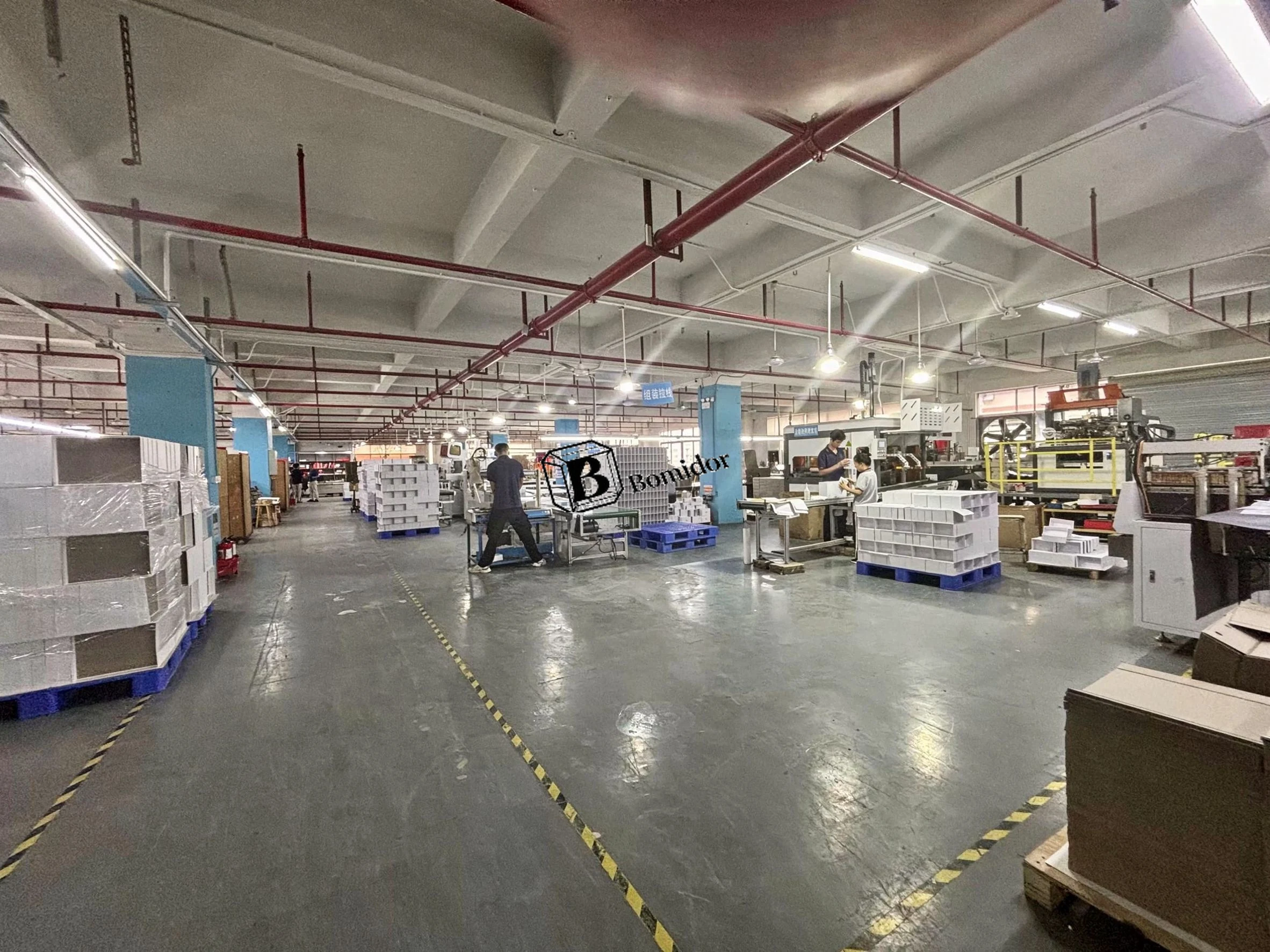
Ask the packing team to walk through the proposed steps: receive the empty packaging, prepare the insert, place the product, close the box and pack it for dispatch. Identify where manual assembly or checking is required.
If storage or freight is a constraint, compare the actual packed form of the quoted designs. A general statement about flat packaging does not settle the comparison for your project. Include any extra assembly work in the review.
Make a shortlist with a clear reason.
Write down the required opening experience, product arrangement and packing constraints. Select the structures that can reasonably be reviewed against those requirements, then agree what the sample should establish.
Bomidor's starting structures are magnetic, drawer, lid-and-base and display boxes. A folding carton in this guide is a comparison topic; its availability and suitability for a specific project need separate confirmation.
- Choose a structure to evaluate, rather than a material name alone.
- Use the actual product when reviewing fit and access.
- Record unresolved questions before approving the specification.
Put the guide to work.
Share your product and the decisions you want to explore next.
Discuss a Box Structure